Stonehenge Logo
English| EUR
Book Now
Open today · 09:30 – 18:00

Stonehenge Tickets

Stonehenge Tickets — Timed Entry & Guided Salisbury Plain Tours

Sarsen shadows lengthen across chalk, and the horizon holds still.

4.8 /5 · 2,400 reviews
412K+ travelers chose this
Free Cancellation
Right now: Moderate — July school-holiday season Arrive close to opening or after 15:00 to avoid the midday coach-tour surge
2-3 hours on site
1 Languages
Up to 25 travellers
Free Cancellation
Free cancellation Instant confirmation Mobile voucher Verified partner Skip-the-line
~5,000 yrs
Monument age
Earthworks begun c.3000 BCE
83
Stones on site
Sarsens and bluestones combined
3000-1520 BCE
Construction span
Built in six phases
1.4M/yr
Annual visitors
Most-visited paid site in SW England
Choose your ticket

Stonehenge tickets at a glance

Compare fares, pick the fit — all bookings are mobile-voucher and eligible for free cancellation where shown.

Stonehenge Early Morning Trip from London 6 hr 30 min
Guided Experience

Stonehenge Early Morning Trip from London

4.8 (3820)
€77
  • Expert local guide
  • Small group
  • Skip-the-line access
  • Free cancellation
Book this ticket
Stonehenge Half-Day Trip from London with Optional Fish & Chips 6 hr 30 min
Guided Experience

Stonehenge Half-Day Trip from London with Optional Fish & Chips

4.4 (4687)
€70
  • Expert local guide
  • Small group
  • Skip-the-line access
  • Free cancellation
Book this ticket
Compare options

Stonehenge Tickets: Standard Admission vs. Stone Circle Experience

Choosing your Stonehenge Tickets starts with one decision: standard timed-entry admission along the perimeter path, or the small-group Stone Circle Experience that steps inside the ring itself. Both are official English Heritage products, so the right pick depends on how close you want to get and how far ahead you plan.

Top pick
Standard Admission Perimeter path & visitor centre
Stone Circle Experience Inside the stones, outside normal hours
Access to inner stone circle ✓ walk among the stones
Group size Max 52, split into two groups of 26
Typical price tier Premium, roughly double standard admission
Booking flexibility Fixed early-morning or evening sessions, book months ahead
Best for Return visitors or enthusiasts wanting close-up access

Verdict: First-time visitors after a straightforward Stonehenge tour should book Standard Admission, while those chasing genuine skip-the-line stone circle access should plan a Stone Circle Experience well in advance.

Are Stonehenge Tickets Worth the Price?

Worth it once, for first-time visitors

At 27.2 GBP, Stonehenge Tickets buy you the paid loop: shuttle from the visitor centre, the sarsen and bluestone circle from the roped path a few metres out, and the exhibition with its Neolithic finds and reconstructed houses. The stones themselves are visible free from the A303 and the public footpaths across Salisbury Plain, so you are not paying for a glimpse — you are paying for proximity, context, and the walk around the full circle. That trade favours anyone treating this as a genuine World Heritage visit rather than a photo stop. Guided Stonehenge Tickets tours from Salisbury or London fold admission into transport, which suits carless travellers. If you have already seen the monument, or you are passing on the A303 with an hour to spare, the roadside view and a bookmark for a future Stonehenge Tickets tour is the honest call. Arrive 09:30–11:00 on the first slot to get your money's worth.

What makes it worth it

  • Full circuit access far closer than any road view
  • Exhibition context included, no extra charge
  • Shuttle bus covered in the admission price
  • Bundled Stonehenge Tickets tickets solve transport from Salisbury

Keep in mind

  • 27.2 GBP is steep for one Wiltshire landmark
  • Stones roped off — no touching the sarsens
  • Free footpath views cost nothing at all
  • Parking and café spend add up separately

Bottom line: Book Stonehenge Tickets if you want the circle and the exhibition properly; otherwise the footpath view is genuinely enough.

Featured Experiences

Popular Stonehenge tours & activities

Hand-picked experiences loved by thousands of travelers

Recommended Experience

Powered by GetYourGuide

Another traveler favorite

Powered by GetYourGuide
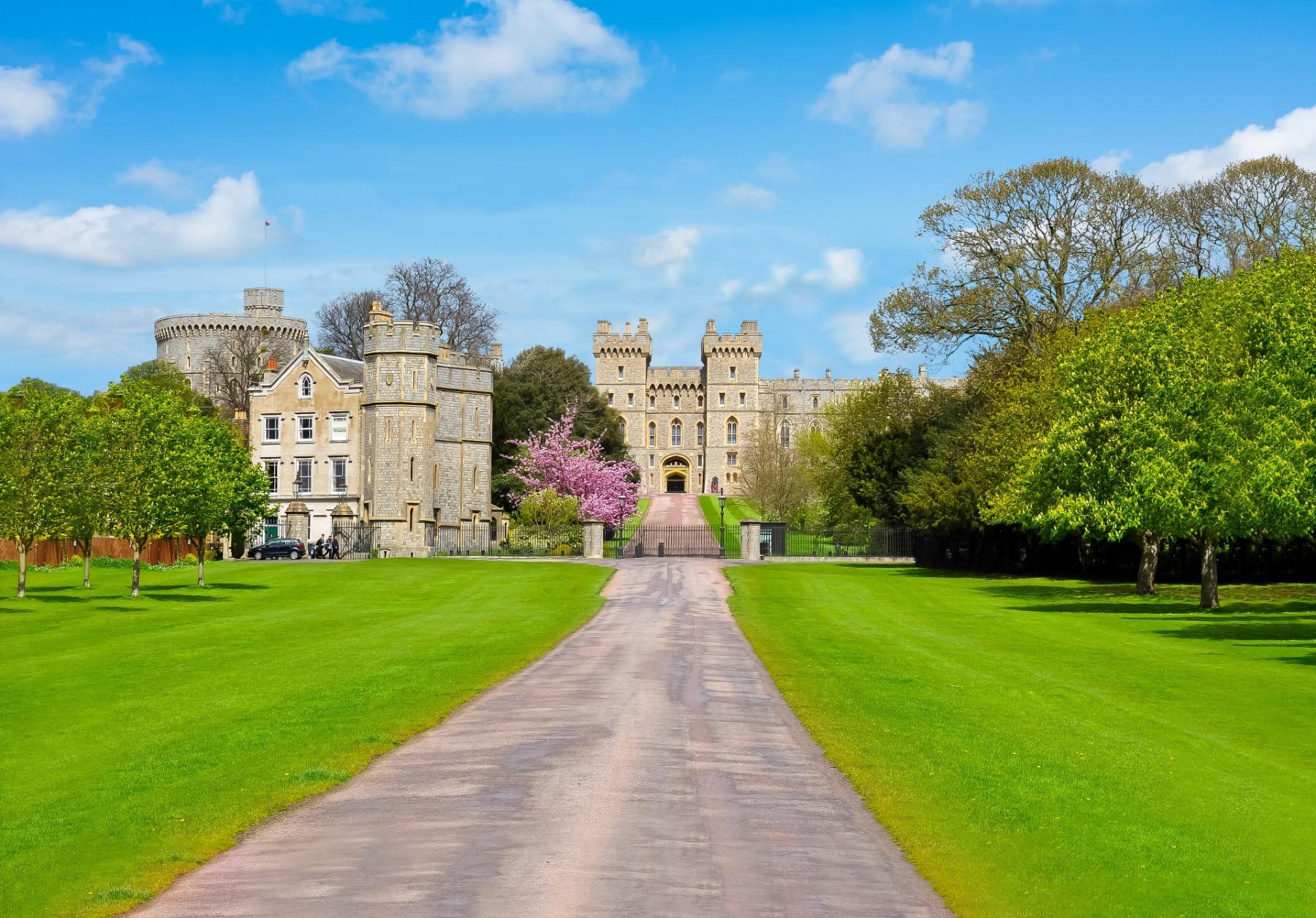
Windsor Castle, Stonehenge & Bath Day Trip from London 11 - 12 hours Free Cancellation

Windsor Castle, Stonehenge & Bath Day Trip from London

One epic day trip: a royal castle, ancient stones, and Roman ruins in elegant Bath.

4.5 (5644)
FromFrom €87.83
See details
Windsor, Stonehenge & Oxford Full-Day Trip from London 11 hours (1 day) Free Cancellation

Windsor, Stonehenge & Oxford Full-Day Trip from London

One day, three icons: a royal castle, ancient stones, and a storied university city.

4.4 (5736)
FromFrom €83.21
See details
Stonehenge & Bath Day Trip from London 11 hours Free Cancellation

Stonehenge & Bath Day Trip from London

Full-day coach trip from London to Stonehenge and Bath, with skip-the-line entry and free time to explore.

4.8 (2983)
FromFrom €99.48
See details
Stonehenge & Bath Full-Day Trip from London 11 hours Free Cancellation

Stonehenge & Bath Full-Day Trip from London

See Stonehenge's ancient stones and soak in Bath's Roman history and Georgian charm, all in one day.

4.7 (1460)
FromFrom €99.48
See details
Stonehenge Half-Day Trip from London 6 - 7 hours Free Cancellation

Stonehenge Half-Day Trip from London

Escape the city for a half-day journey to the ancient Stone Circle, with easy coach travel included.

4.5 (2073)
FromFrom €72.27
See details
Stonehenge & Cotswold Villages Day Trip from Bristol 8.5 hours Free Cancellation

Stonehenge & Cotswold Villages Day Trip from Bristol

Full-day escape from Bristol to Stonehenge, Avebury's stone circles, and two storybook Cotswold villages.

4.9 (884)
FromFrom €104.54
See details
Windsor Castle, Stonehenge & Bath Full-Day Tour from London 11 hours Free Cancellation

Windsor Castle, Stonehenge & Bath Full-Day Tour from London

One epic day trip: royal castles, ancient stone circles, and Georgian elegance, all from London.

4.4 (3431)
FromFrom €83.21
See details
Stonehenge Inner Circle Private Viewing Tour from London 7 hours Free Cancellation

Stonehenge Inner Circle Private Viewing Tour from London

Step inside the Stonehenge Inner Circle before public hours open, on a small-group day trip from London.

4.8 (97)
FromFrom €146.41
See details
Your journey

Your Stonehenge day, step by step

1
Arrive and check in

Arrive and check in

Scan your Stonehenge Tickets barcode at the Visitor Centre entrance and pass through the security check.

2
Explore the exhibition

Explore the exhibition

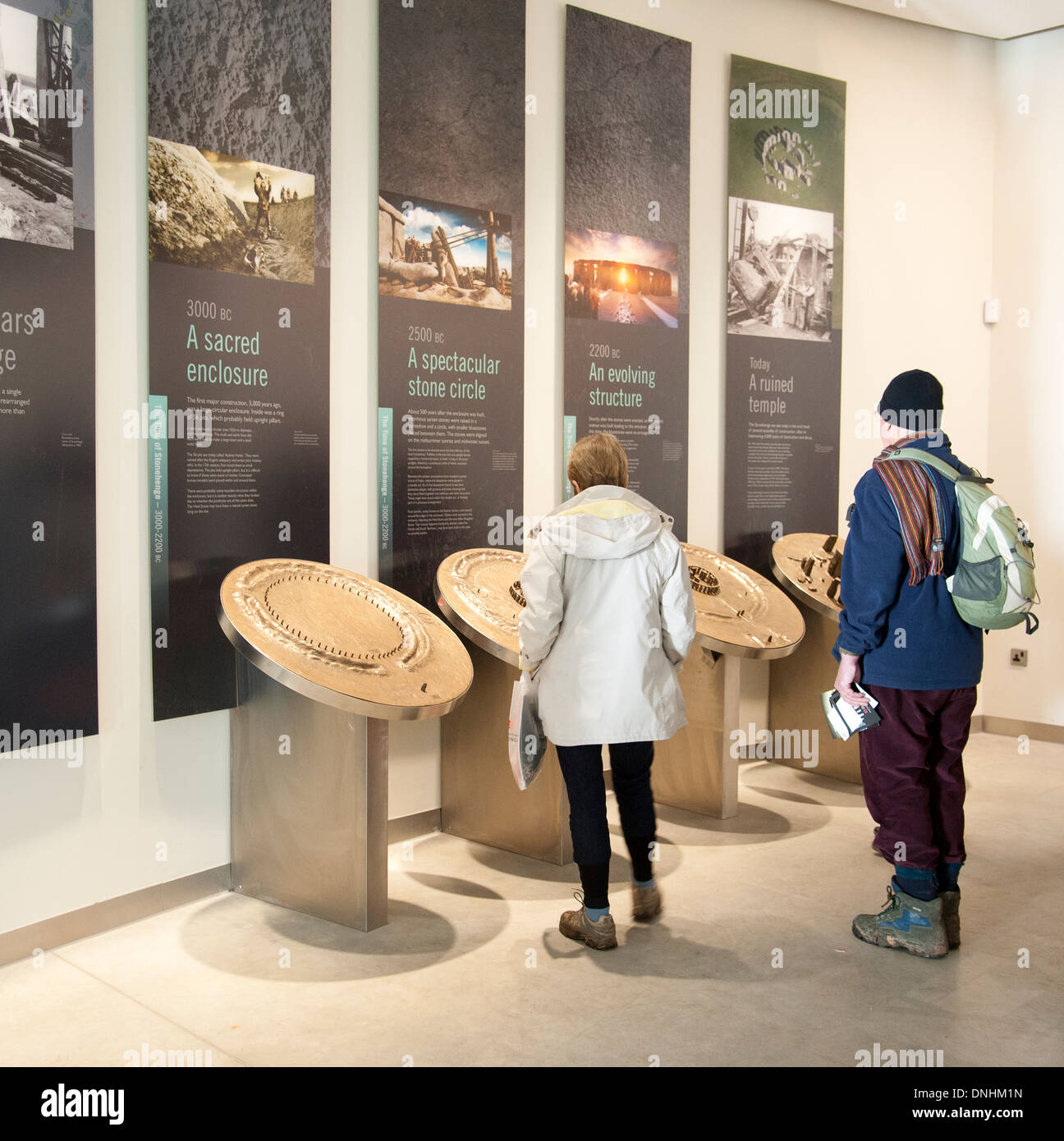
Walk through the indoor gallery covering the monument's construction and the artefacts recovered from the site.

3
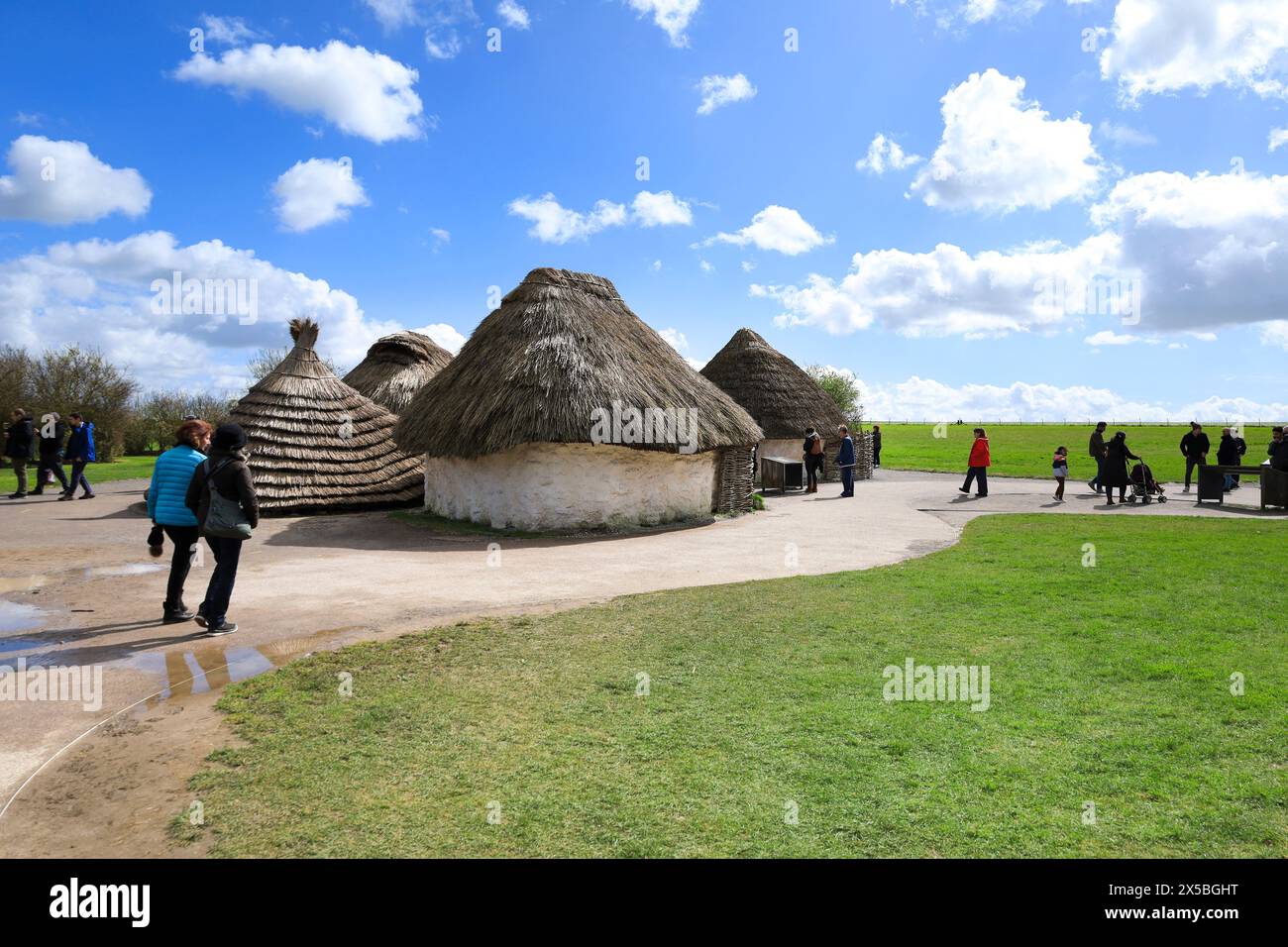
Visit the Neolithic houses

Visit the Neolithic houses

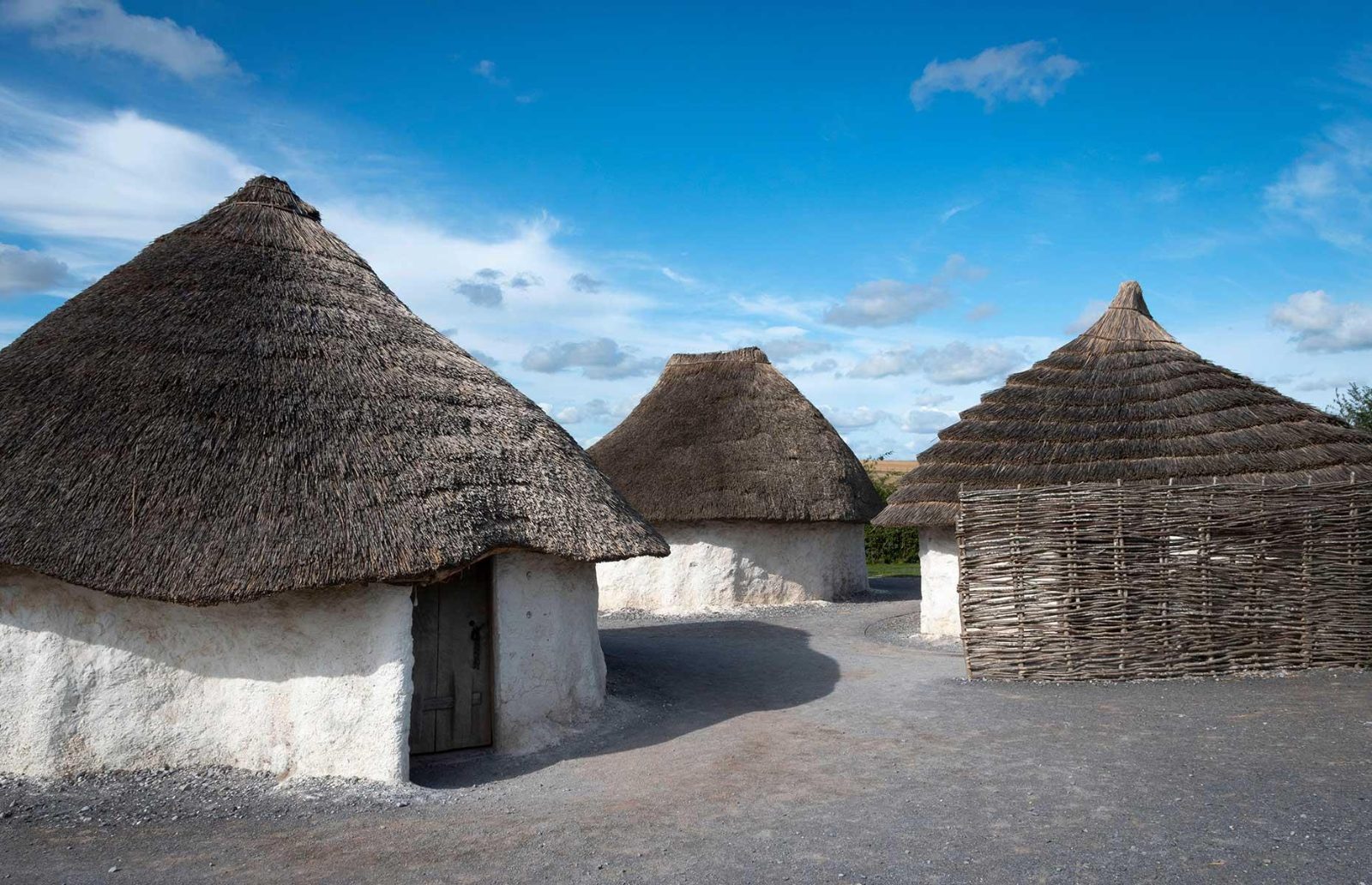
See the reconstructed thatched dwellings modelled on a Neolithic settlement found nearby.

4
Travel to the stone circle

Travel to the stone circle

Take the free shuttle or walk the 1.5-mile path across the landscape to reach the monument.

5
Walk the stone circle path

Walk the stone circle path

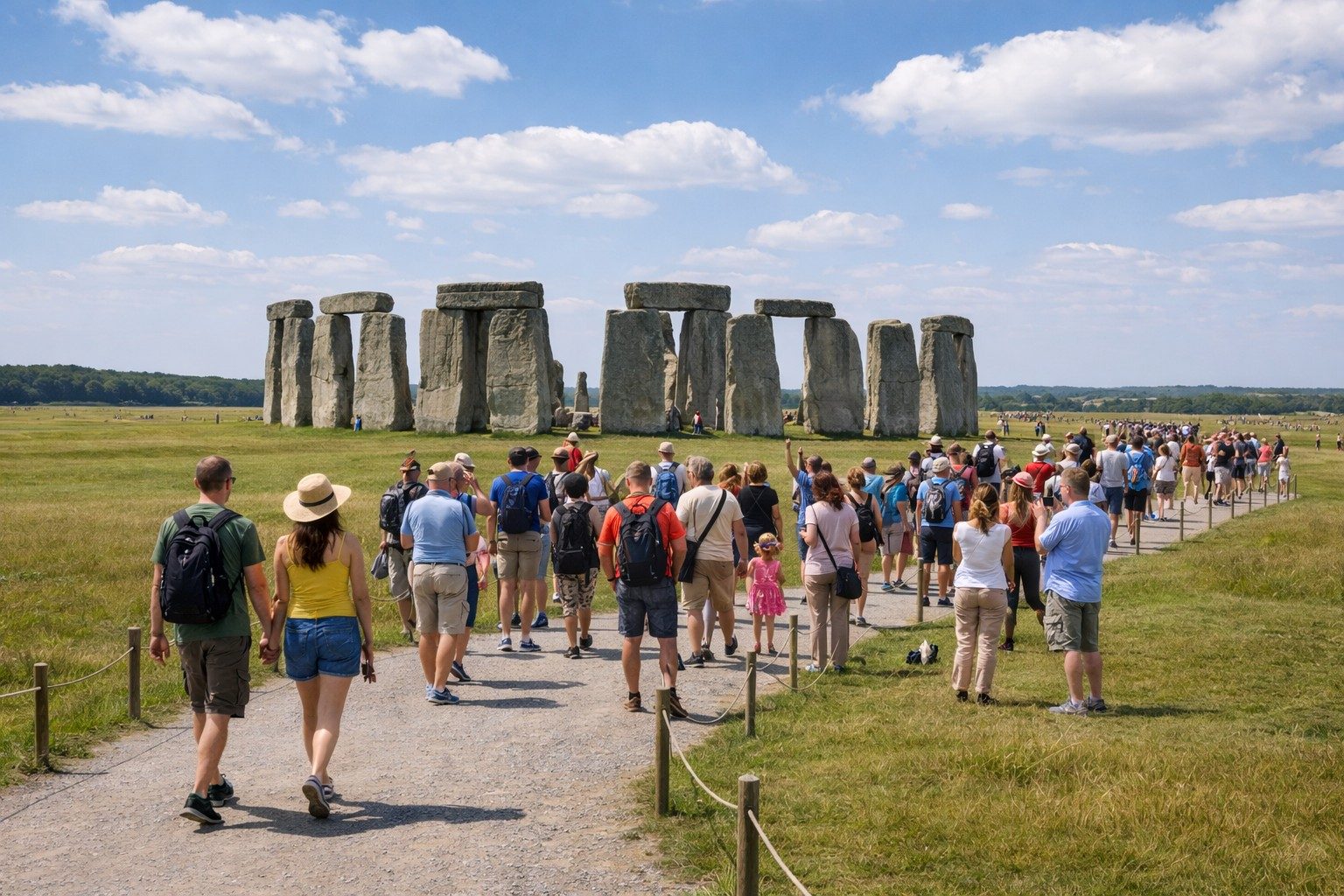
Follow the roped viewing path around the sarsen circle, using the free audio guide for context on each stone.

6

Return and browse the shop

Head back by shuttle or on foot, then stop at the gift shop or café before departing.

What you'll see

What you'll see at Stonehenge

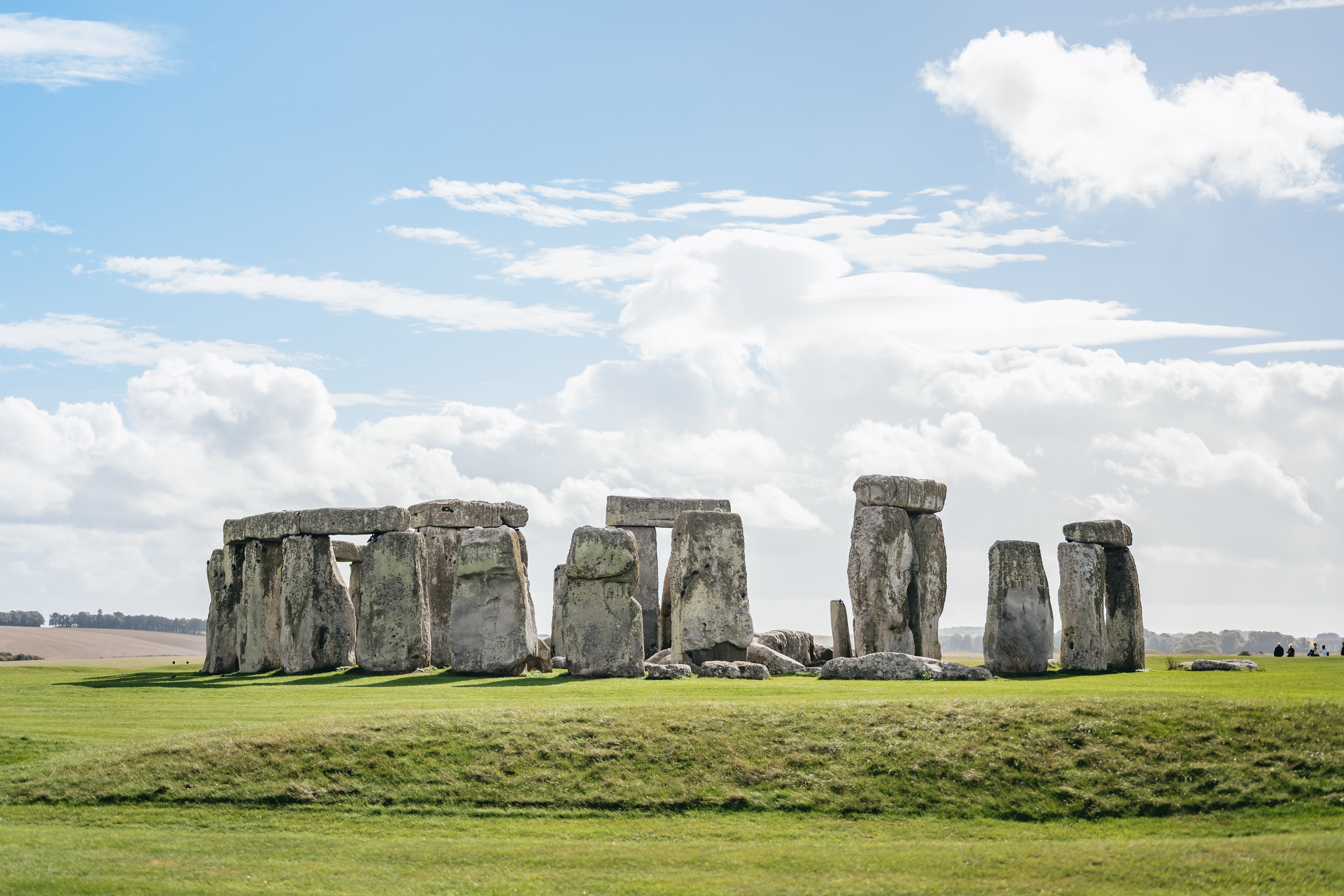
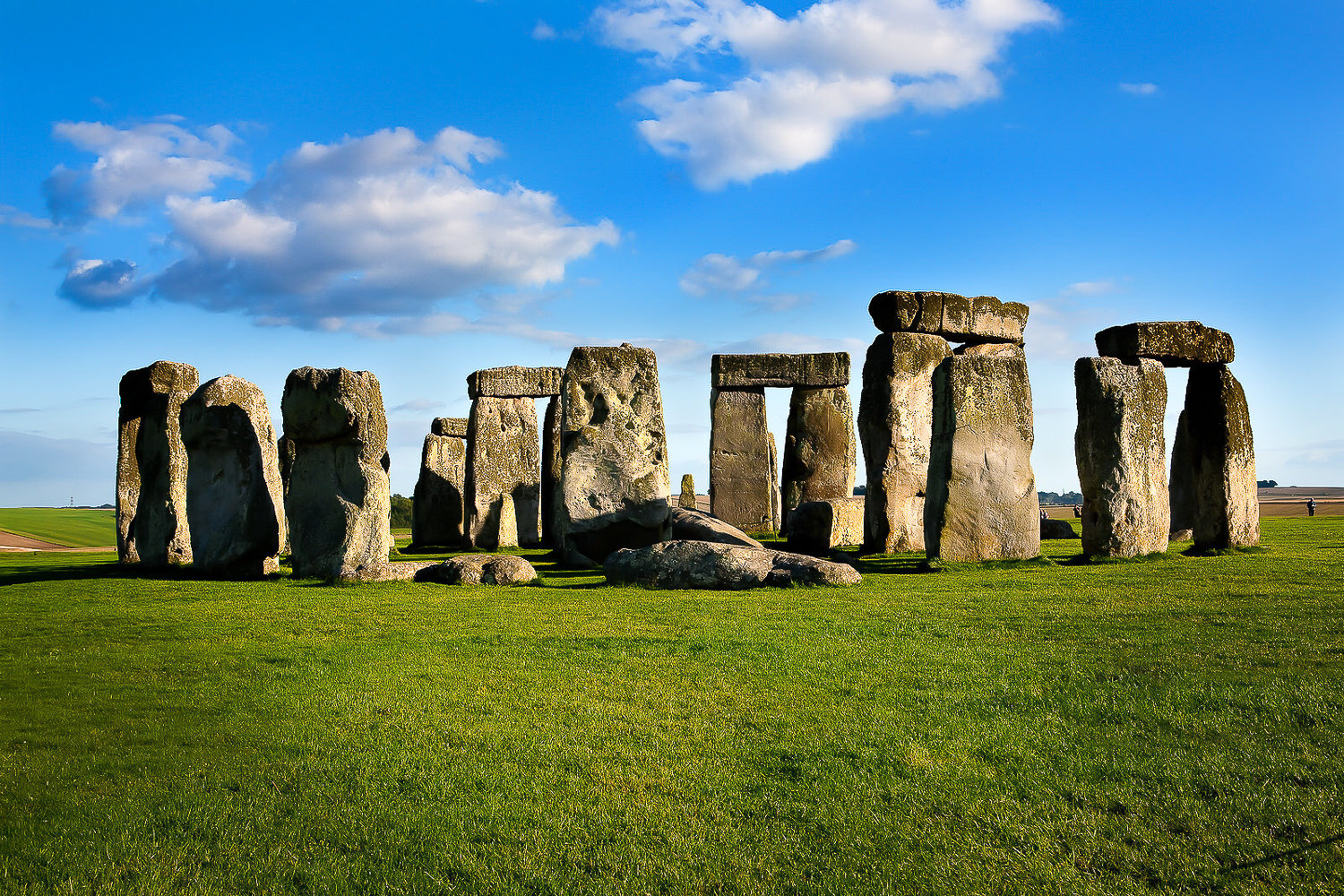
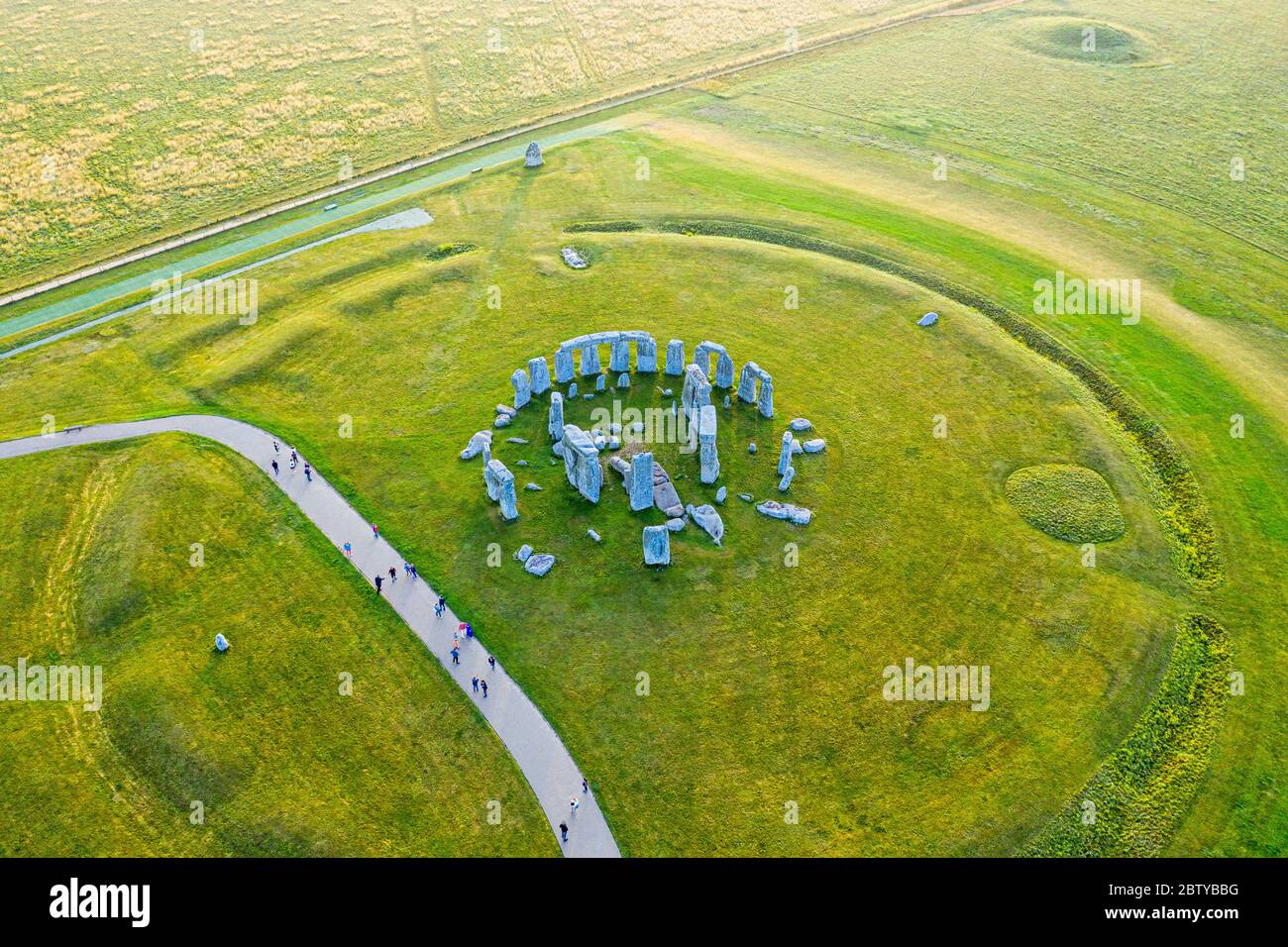
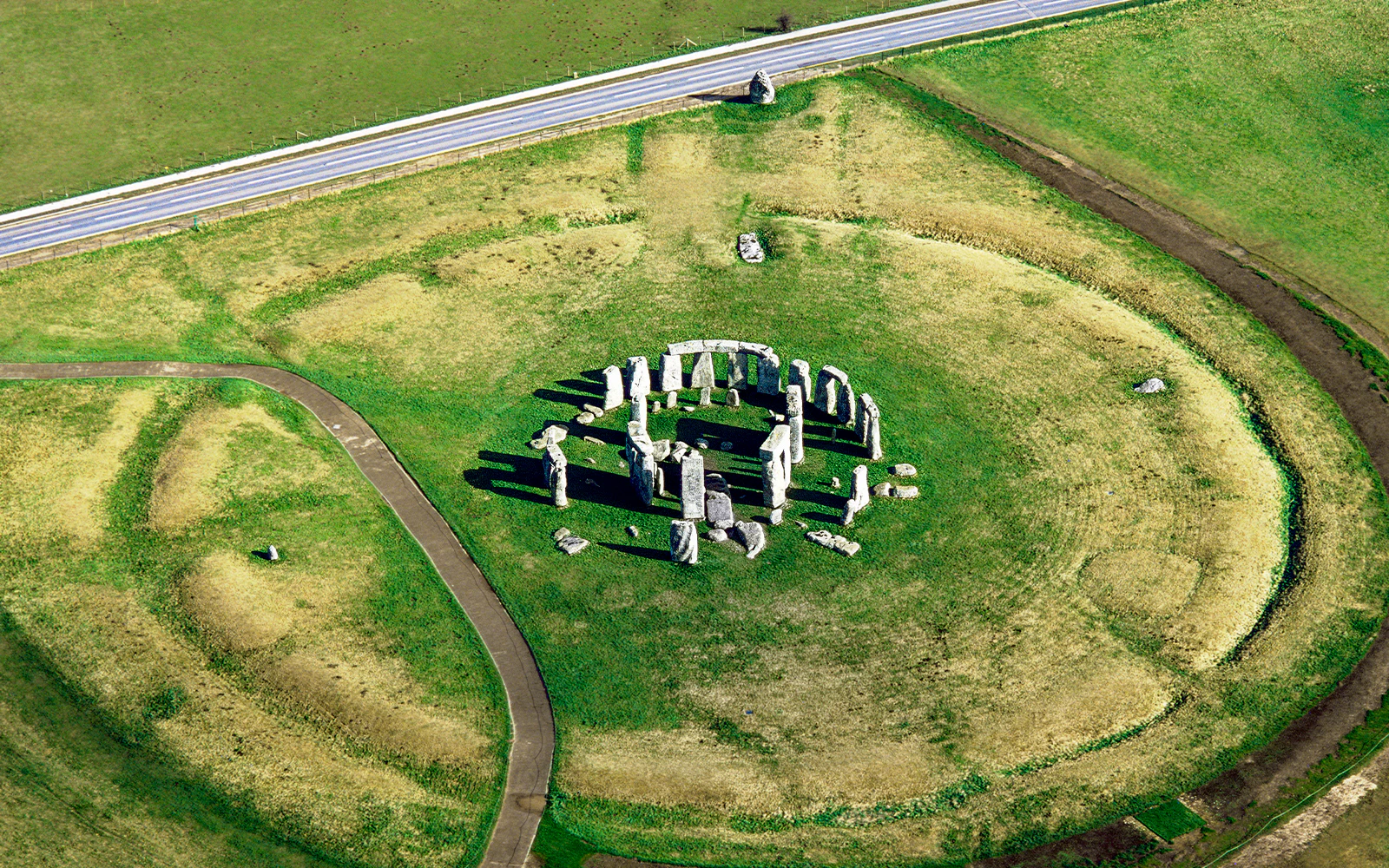
Sarsen Circle

Sarsen Circle

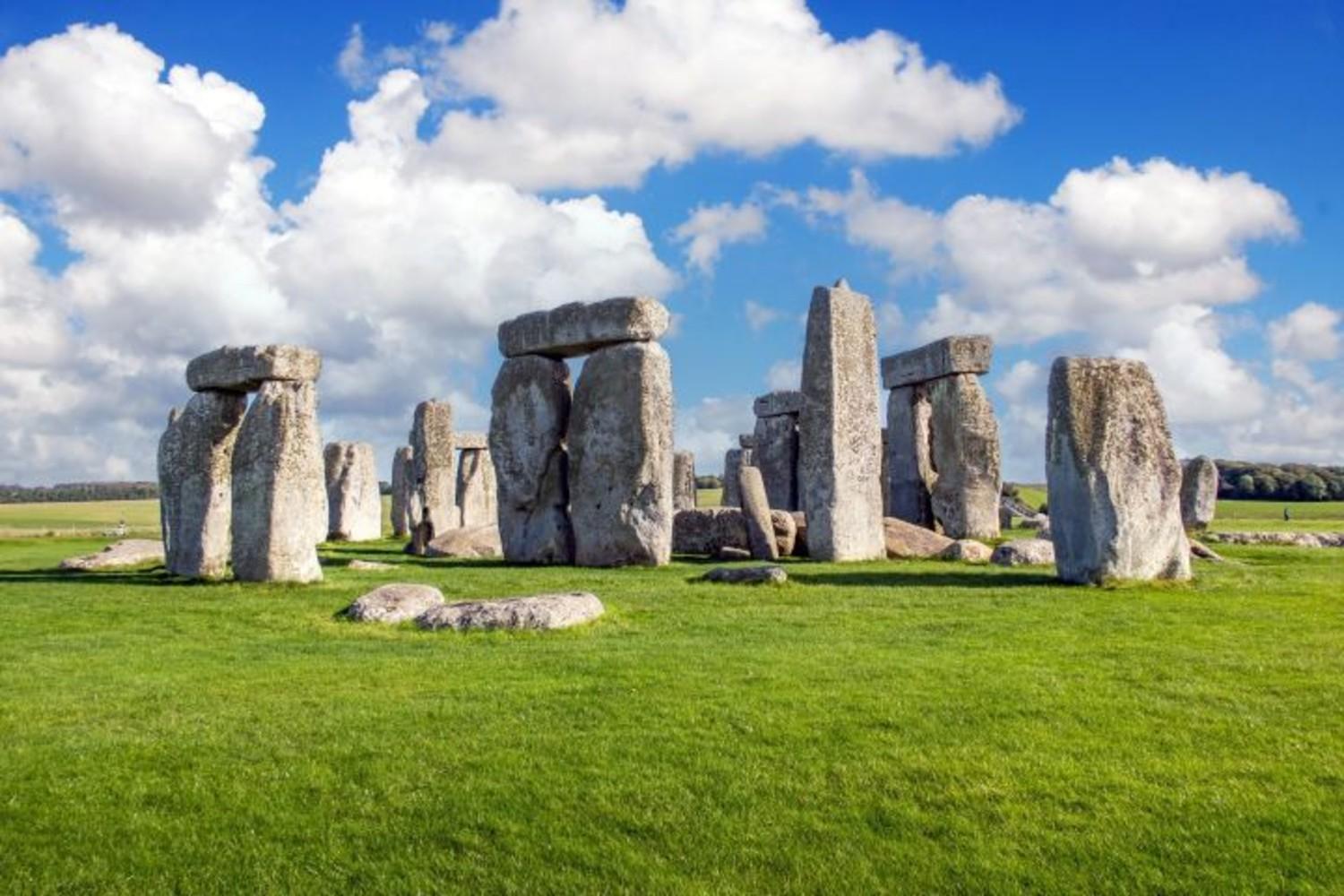
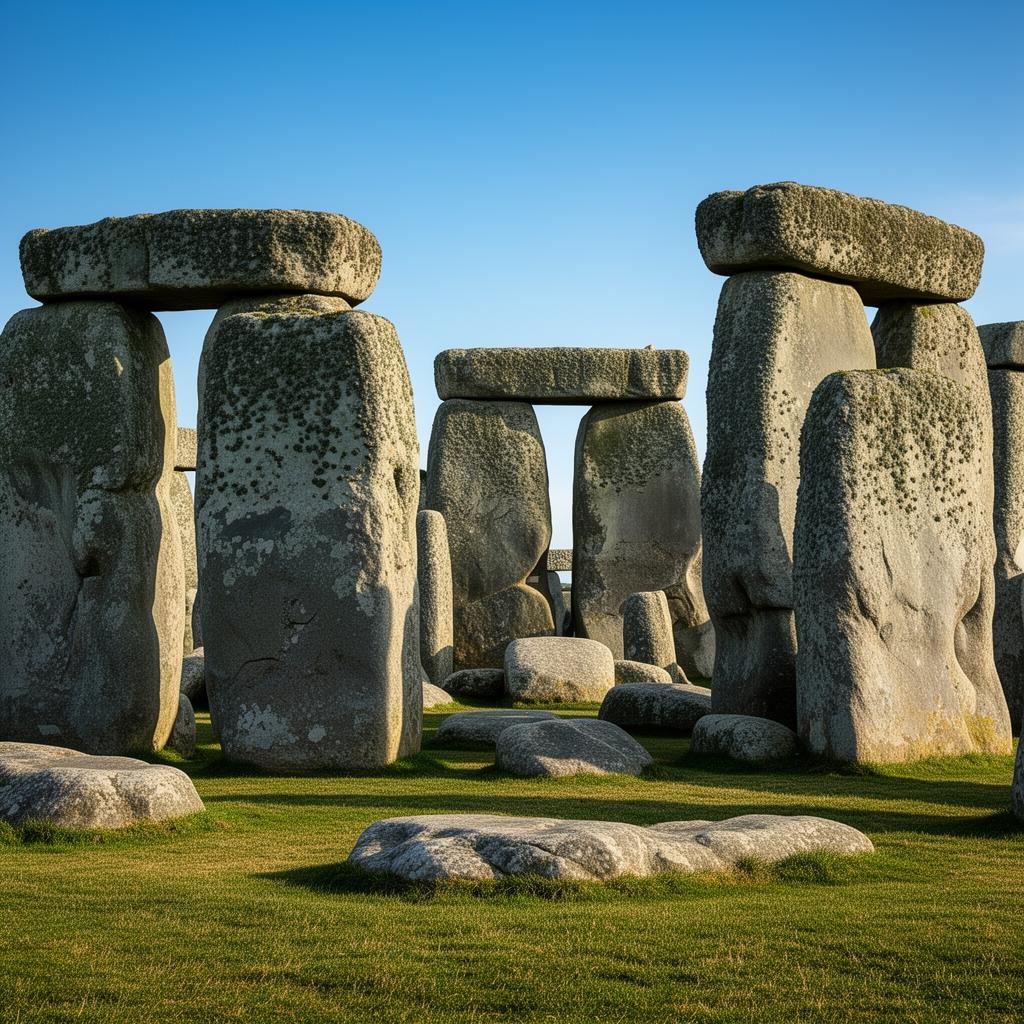
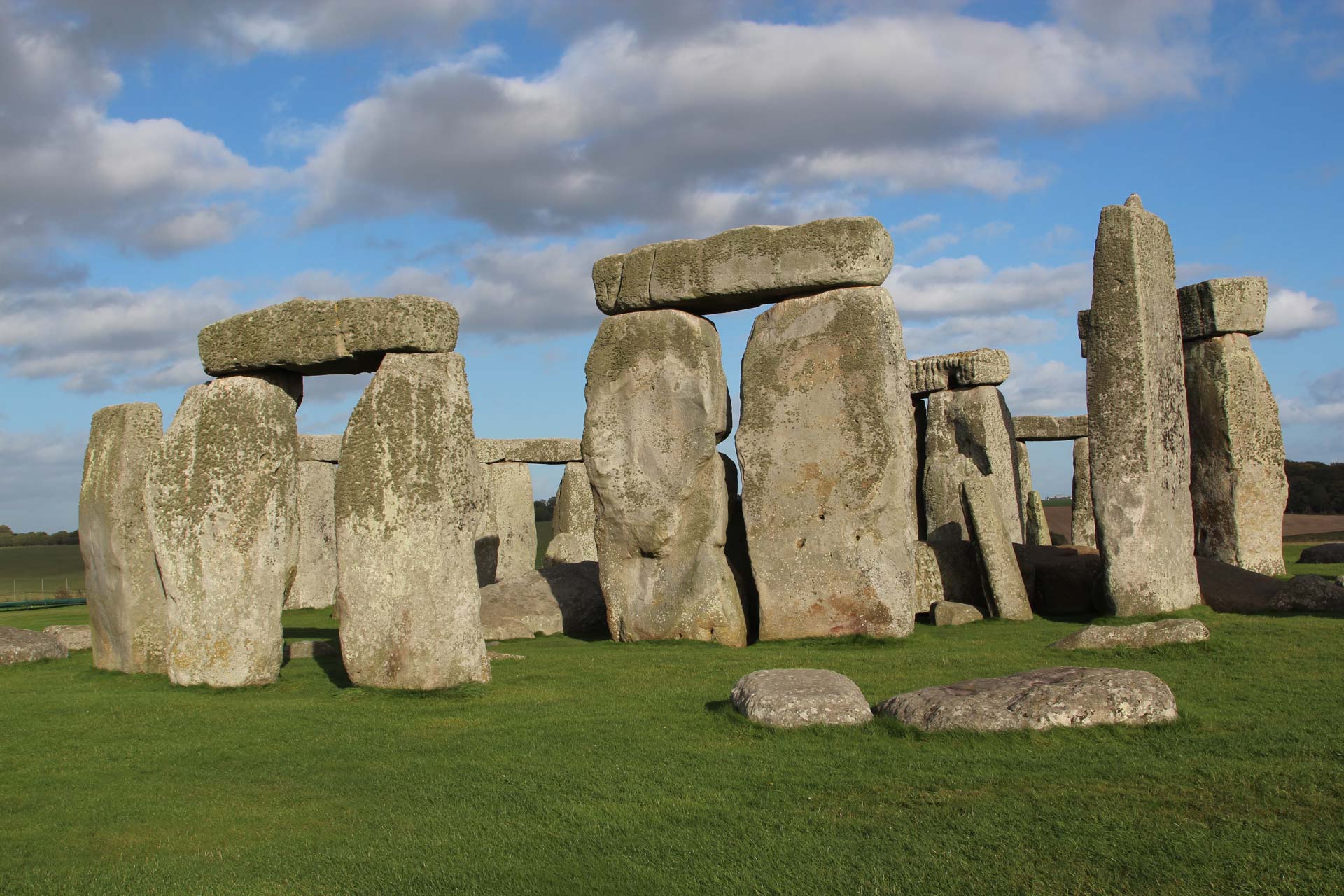
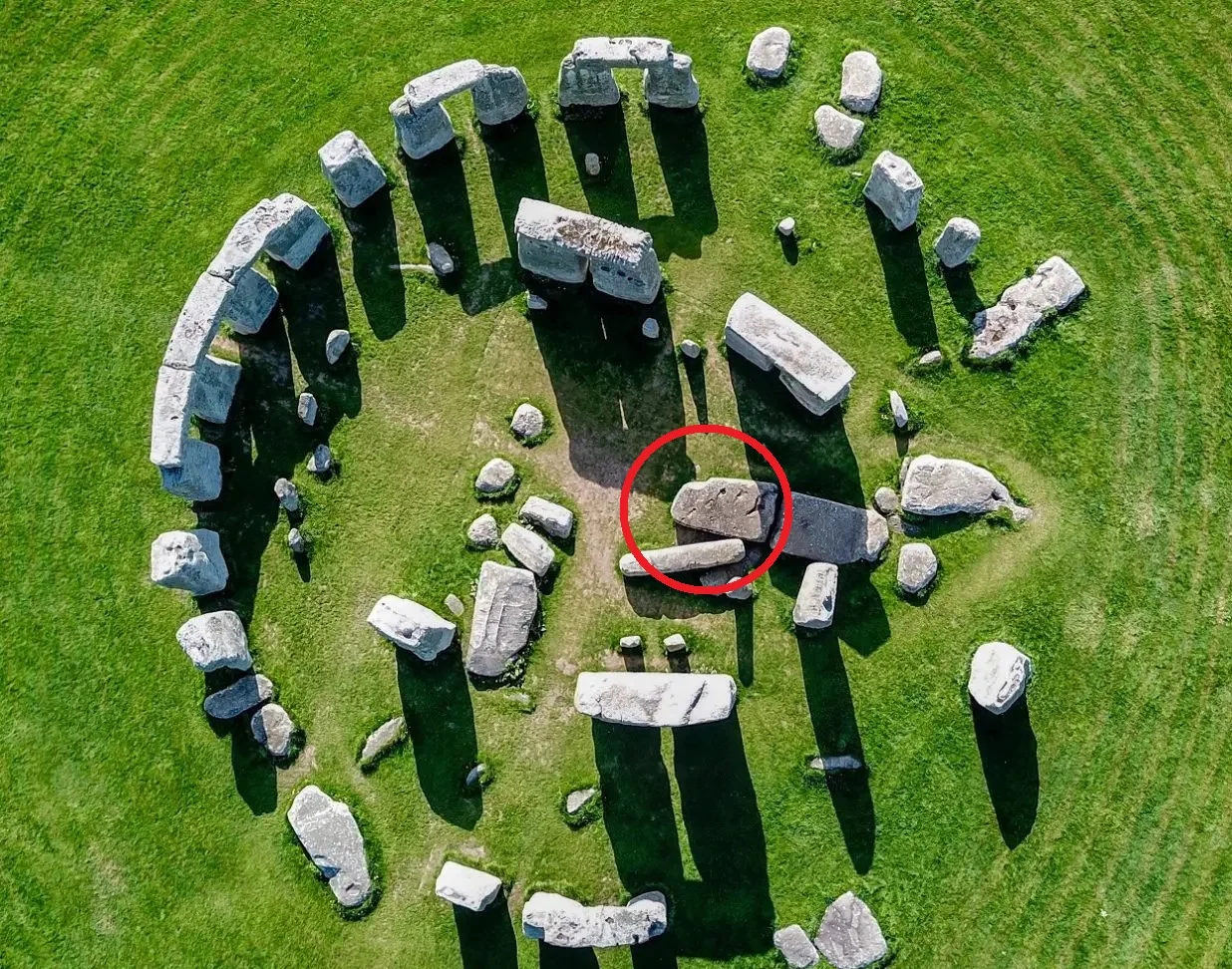
The outer ring of massive sandstone blocks, some weighing around 25 tons, forms the monument's most recognisable silhouette. Originally 30 uprights supported a continuous ring of lintels, though only 17 uprights and 6 lintels survive today.

Great Trilithon

Great Trilithon

The tallest surviving stone pairing inside the horseshoe arrangement, with Stone 56 reaching over 9 metres including its buried base. It once framed the winter solstice sunset when viewed from the monument's centre.

Heel Stone

Heel Stone

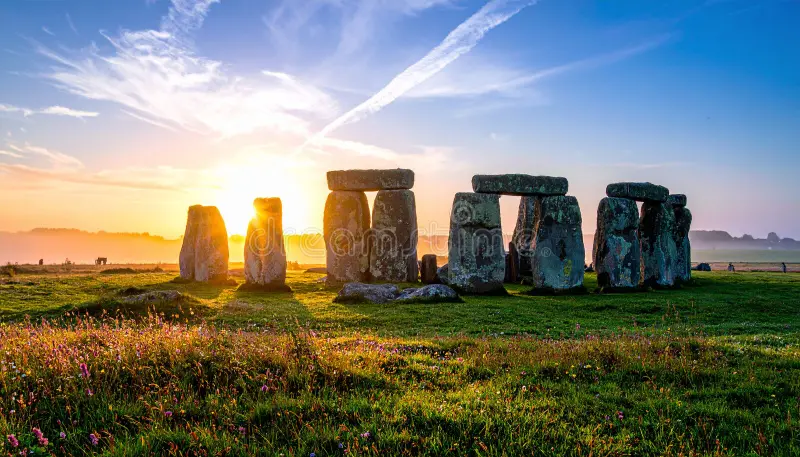
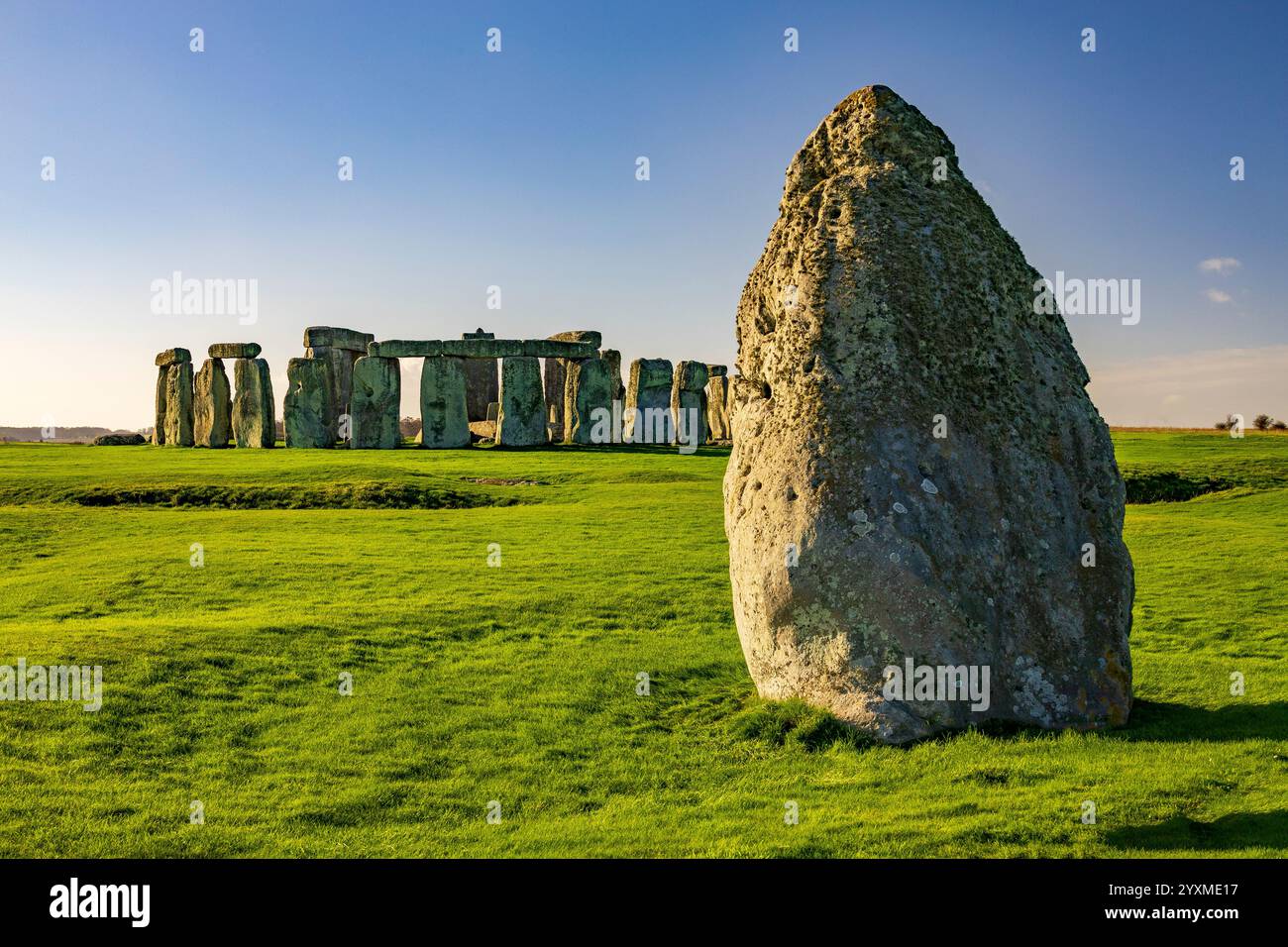
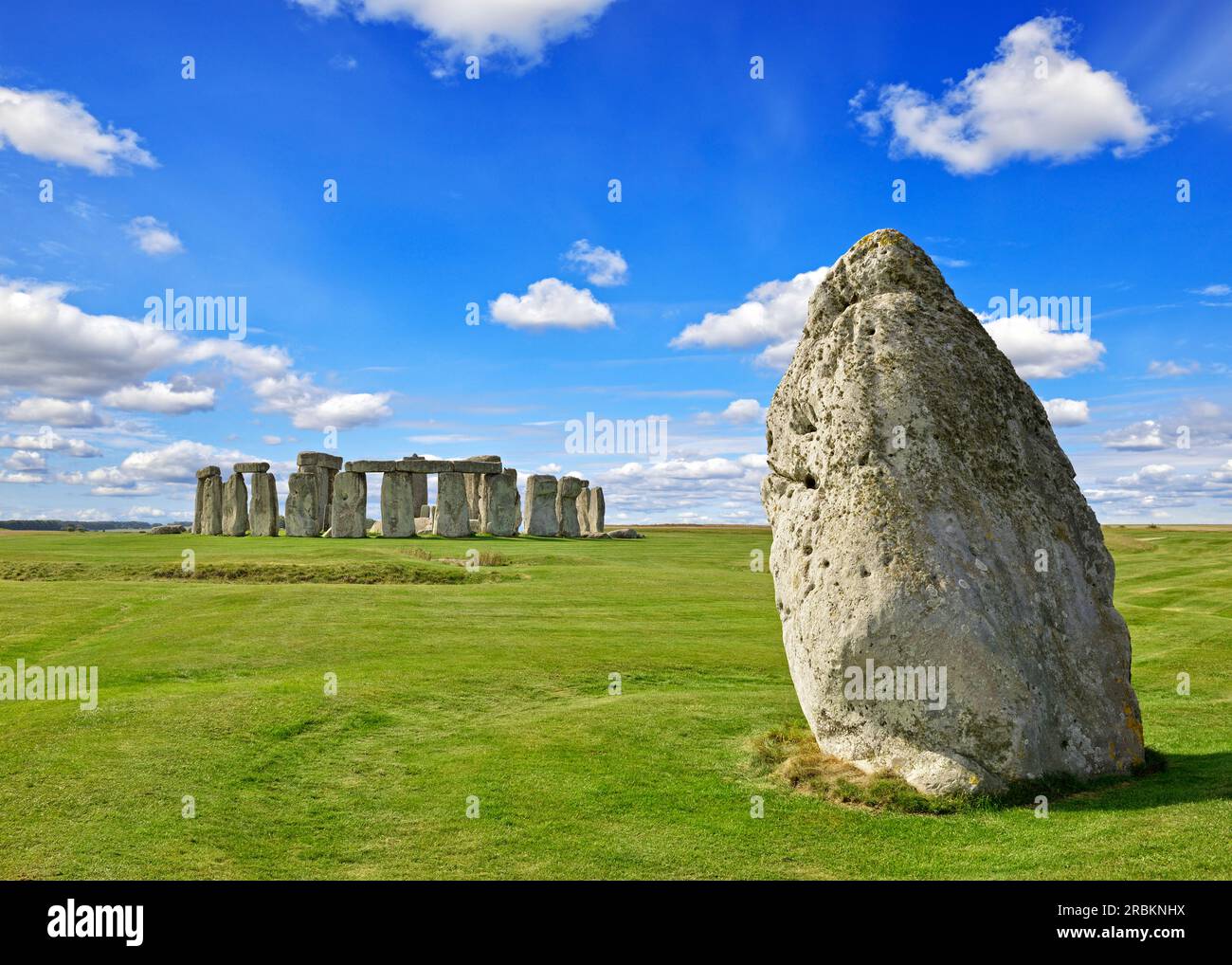
A single unworked sarsen standing outside the main circle along the ancient Avenue, leaning nearly 27 degrees from vertical. On the summer solstice the sun appears to rise directly above it as seen from the monument's centre.

Slaughter Stone

Slaughter Stone

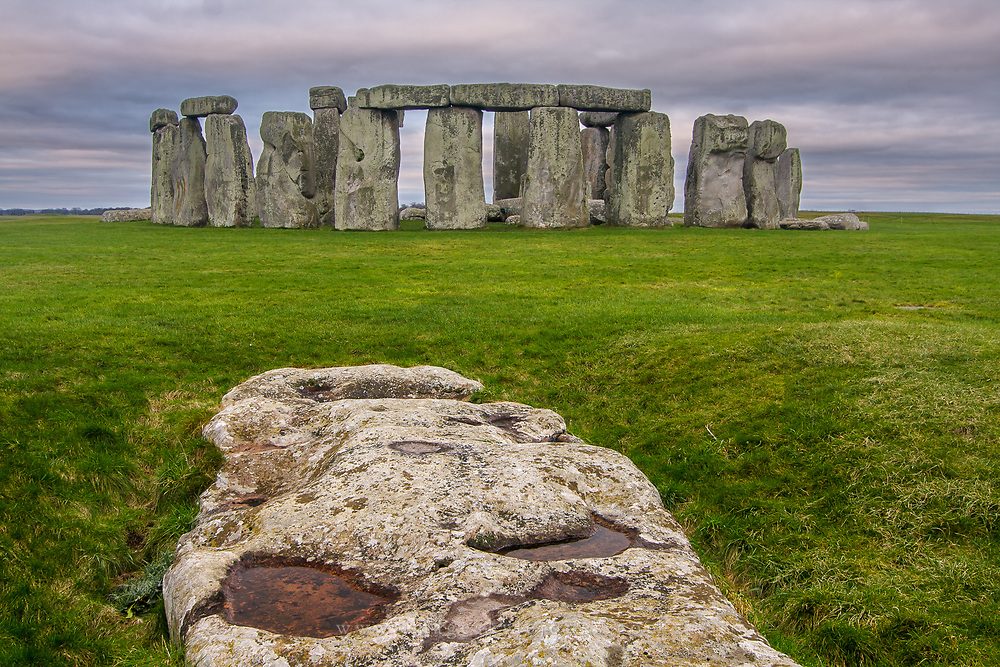
A fallen sarsen lying near the north-east entrance, once part of a paired gateway whose partner is now lost. Its reddish surface staining comes from iron oxide reacting with rainwater, not the sacrificial blood early Victorians imagined.

Altar Stone

Altar Stone

A recumbent block of greenish sandstone lying at the monument's centre, believed to originate from Wales rather than the closer Marlborough Downs sarsen source. Recent geological research has questioned its exact origin, keeping it one of the site's ongoing puzzles.

Stonehenge Avenue

Stonehenge Avenue

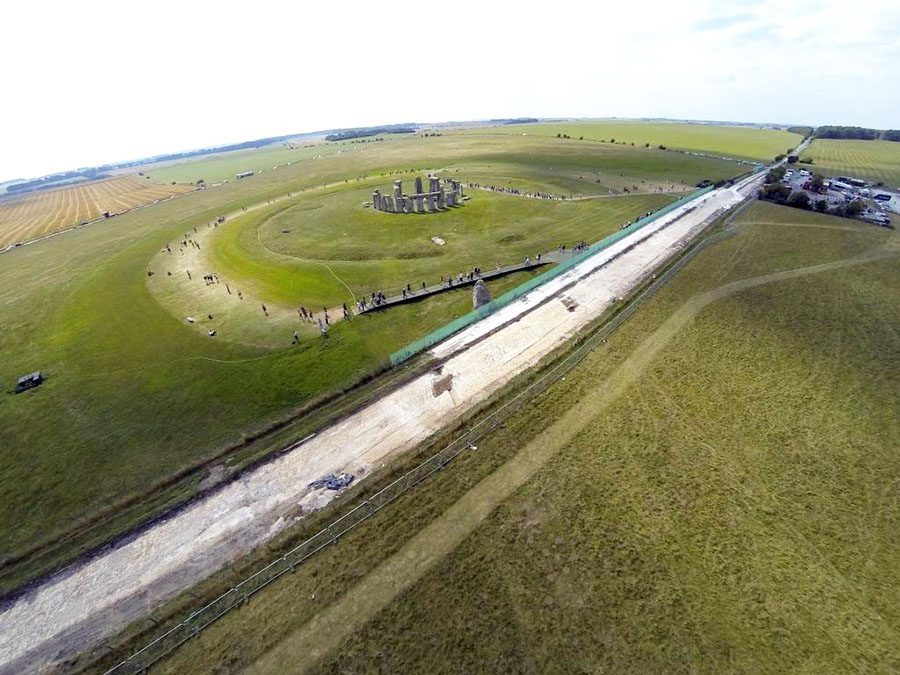
A prehistoric earthwork processional route running north-east from the stone circle toward the River Avon, first mapped by antiquarian William Stukeley in 1740. It aligns precisely with the midsummer sunrise and midwinter sunset axis.

The experience

What visiting Stonehenge is really like

You arrive at the visitor centre off the A303 and collect your Stonehenge Tickets tour entry at the timed slot printed on your voucher — the first window, 09:30–11:00, keeps you ahead of the midday coaches. Doors open at 09:30 and the site runs until 18:00.

Read more Show less

You start indoors. The gallery holds roughly 250 objects: worked antler picks, a Bronze Age dagger, the reconstructed face of a Neolithic man. You step back outside into the Neolithic houses, duck under a chalk-daubed lintel, and smell woodsmoke from the hearth. Then you board the shuttle, or you walk — 2.4 kilometres across open downland, which takes about thirty minutes and is the better approach.

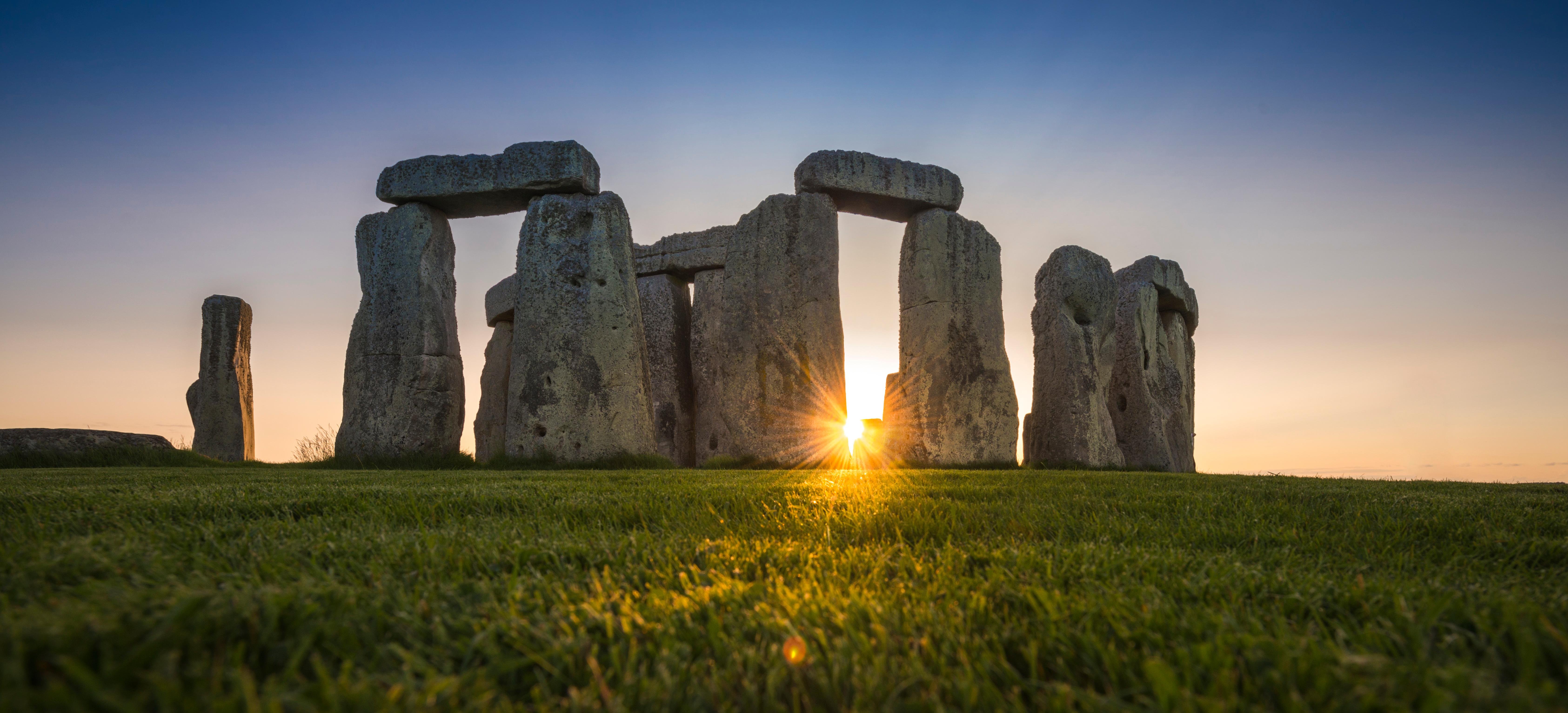
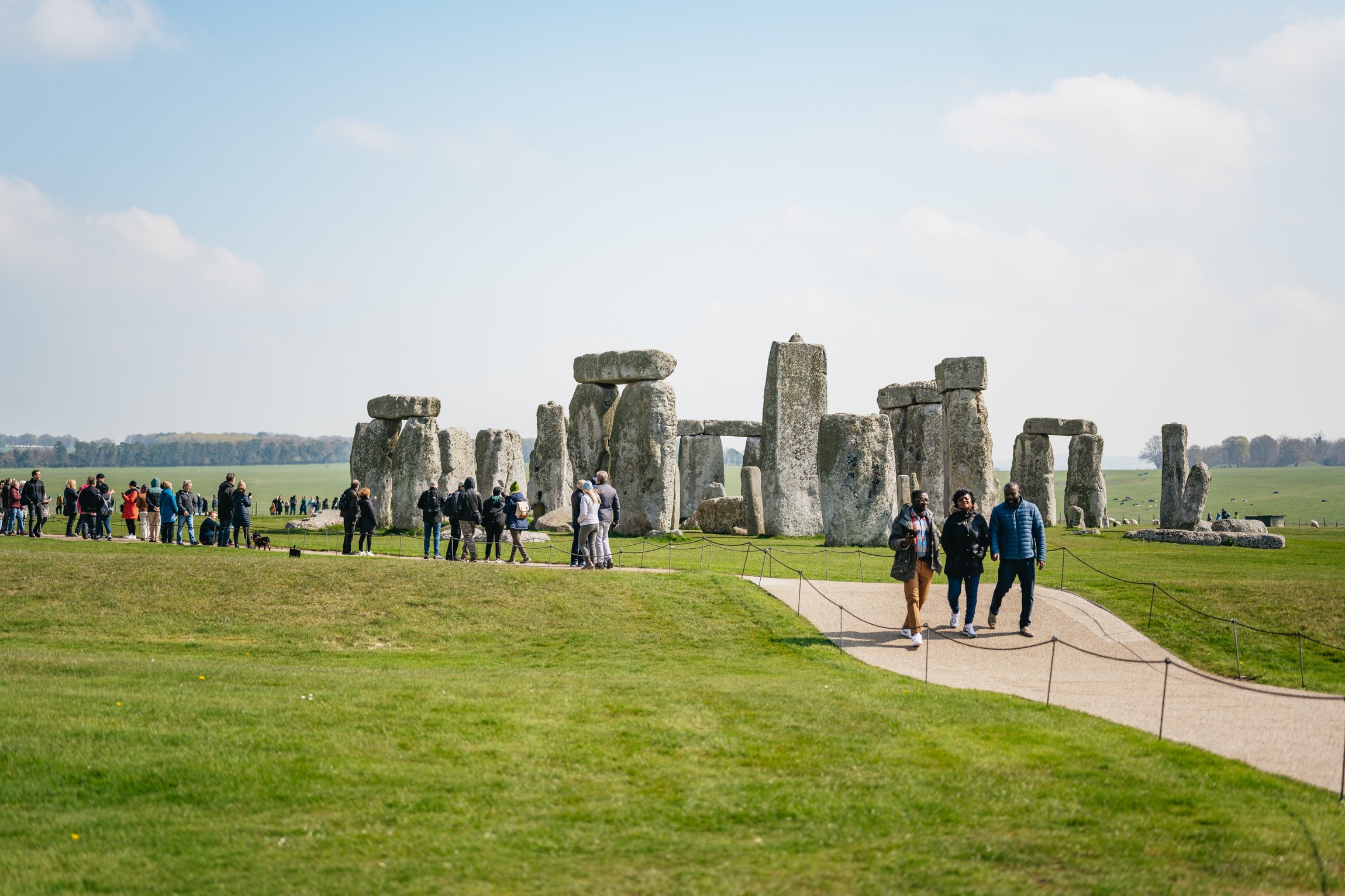
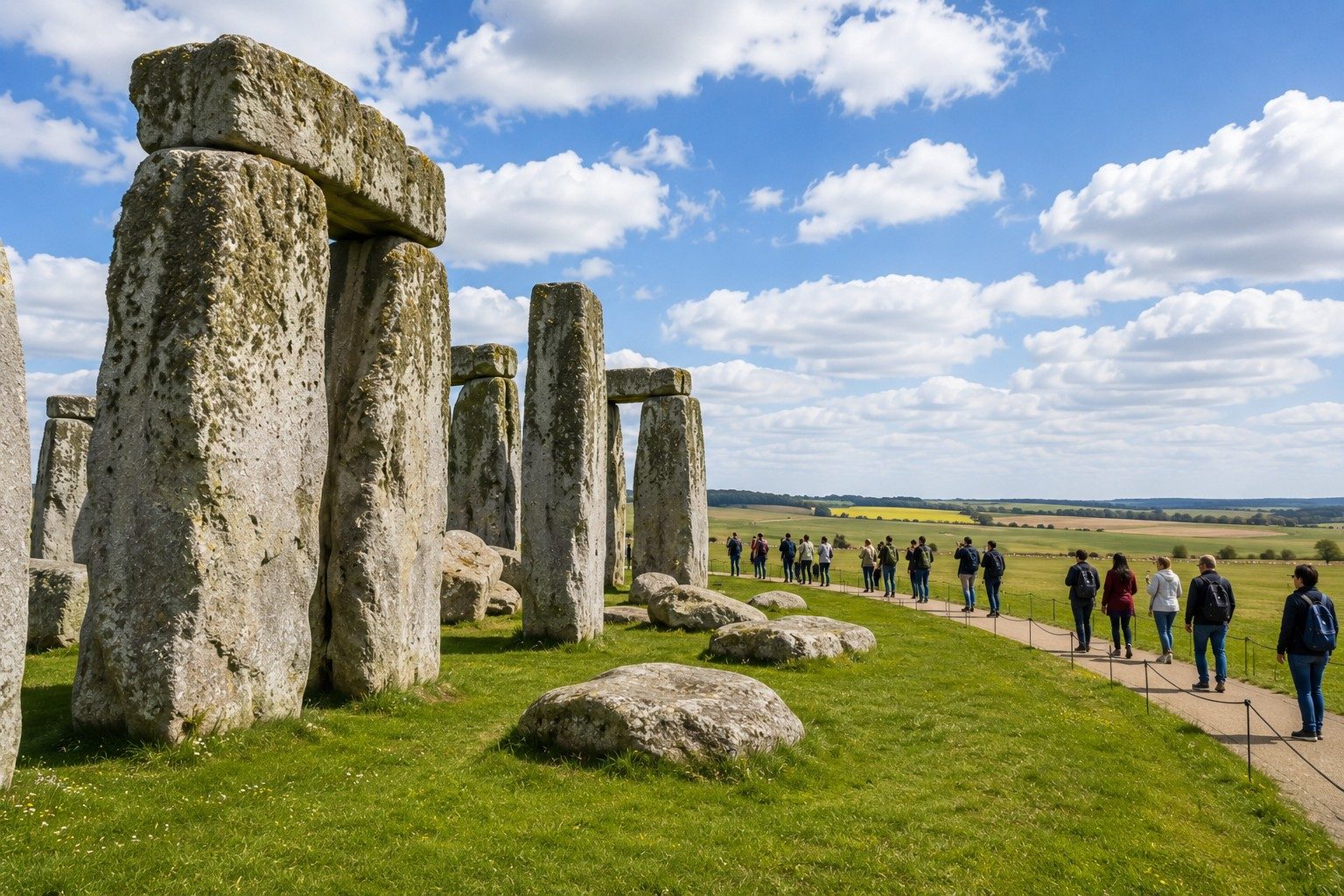
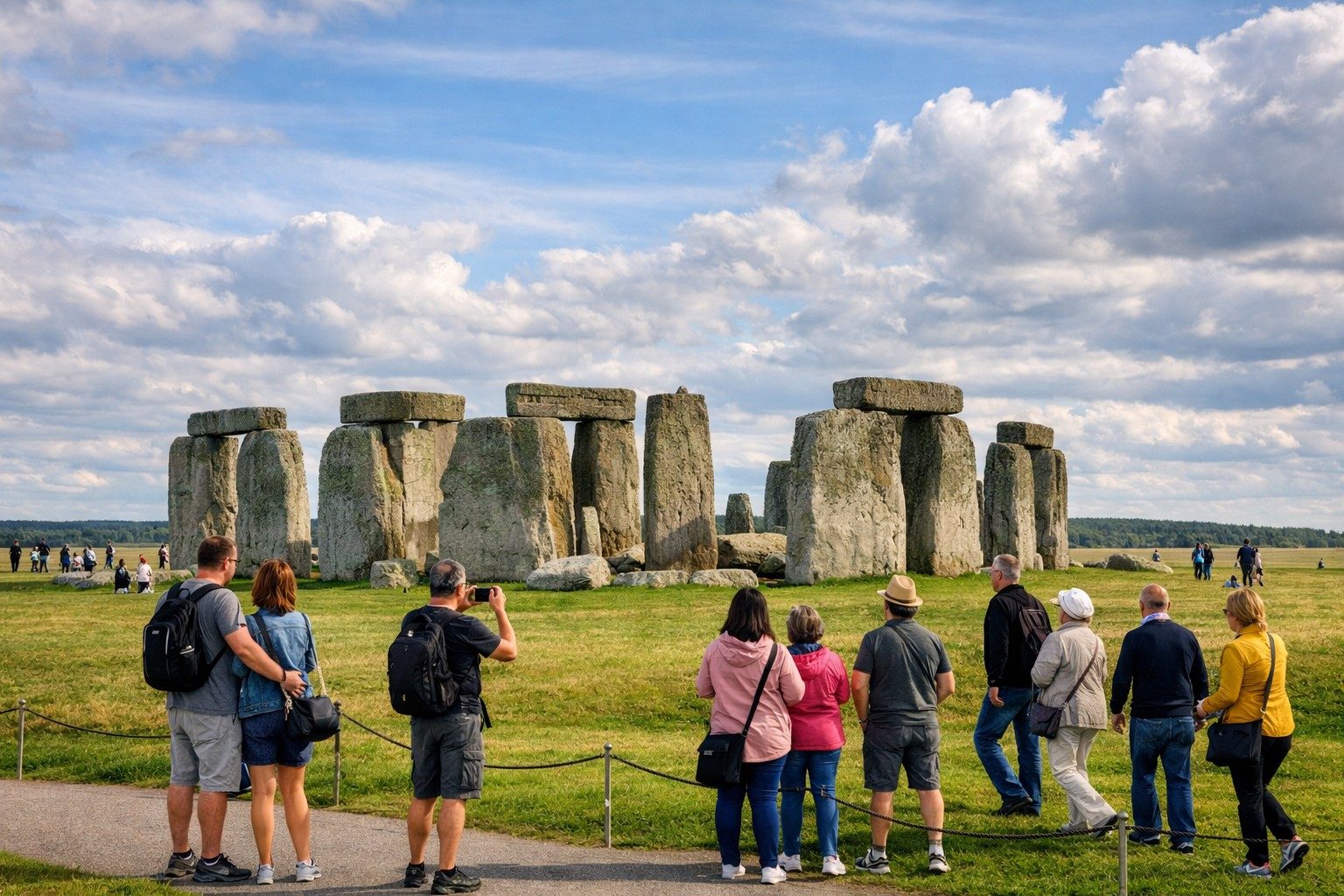
The stones appear gradually. You cross the line of the old road, now grassed over, and the circle resolves from silhouette into structure: uprights, lintels, the fallen slabs at the south-west. You follow the roped path clockwise. You pause at the Heel Stone, standing apart beyond the earthwork bank, and turn to see the axis it marks. Wind moves constantly here; there is no shelter on the plain.

You finish the loop, take the shuttle back, and find the café. Adult admission at the gate is 27.2 GBP.

Stonehenge Tickets
Everything You Need to Know

Your complete Stonehenge guide

All the details about your upcoming adventure in one place

Stonehenge Tickets: Salisbury Plain's Standing Stones

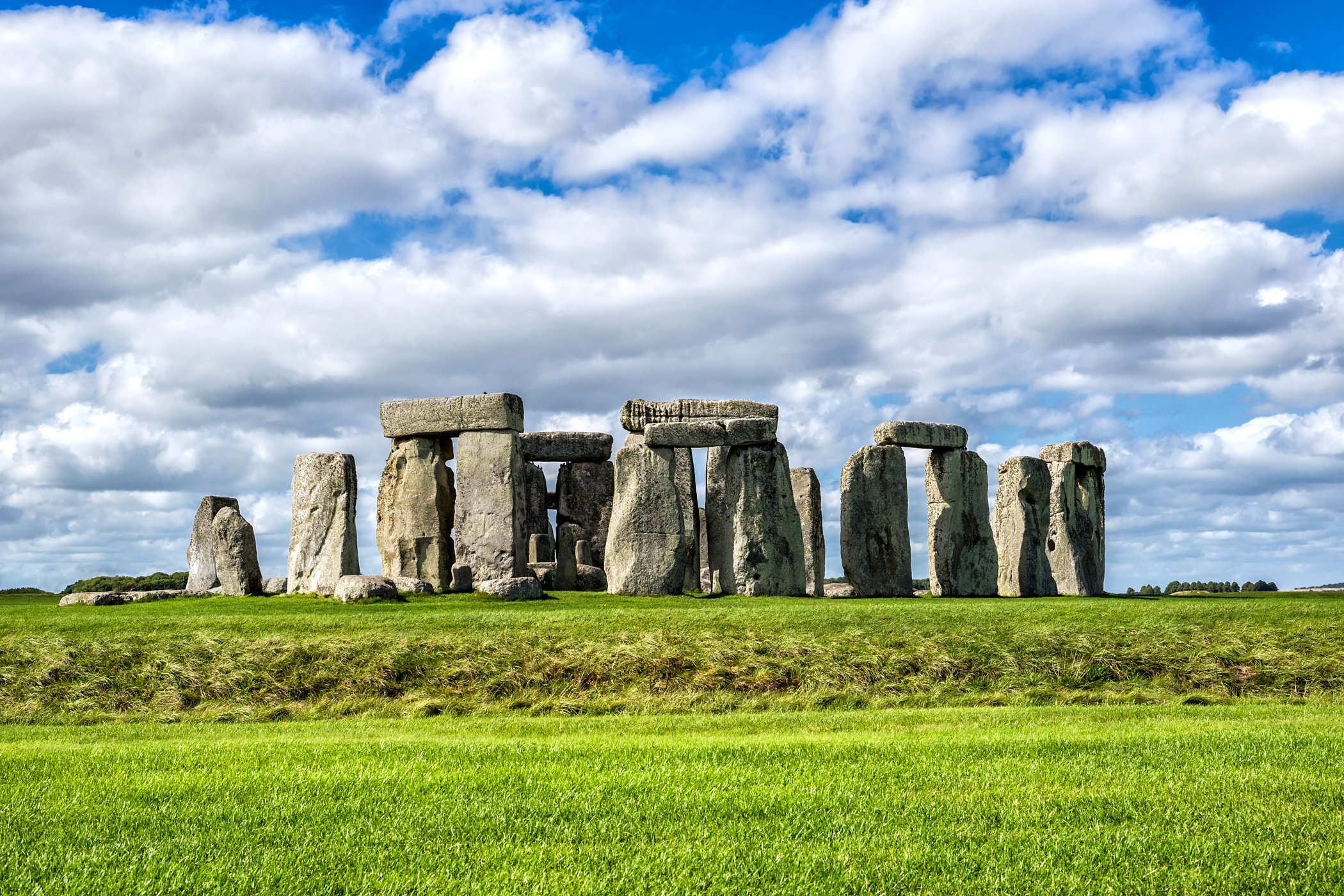
Stonehenge Tickets tours bring you across Salisbury Plain to the Neolithic stone circle, where sarsen trilithons and smaller bluestones hauled from the Preseli Hills form one of Britain's defining UNESCO World Heritage landmarks. A shuttle links the visitor centre to the monument, where a marked path circles the outer stones and the Heel Stone marks the solstice alignment. Reconstructed Neolithic houses and around 250 archaeological objects sit inside the exhibition galleries near the entrance.

The largest sarsen stones at Stonehenge weigh around 25 tonnes each and were dragged roughly 25 kilometres from the Marlborough Downs. The smaller bluestones travelled far further — some 250 kilometres from the Preseli Hills of west Wales.

That single logistical fact has shaped two centuries of argument about what the monument was for and who, precisely, built it.

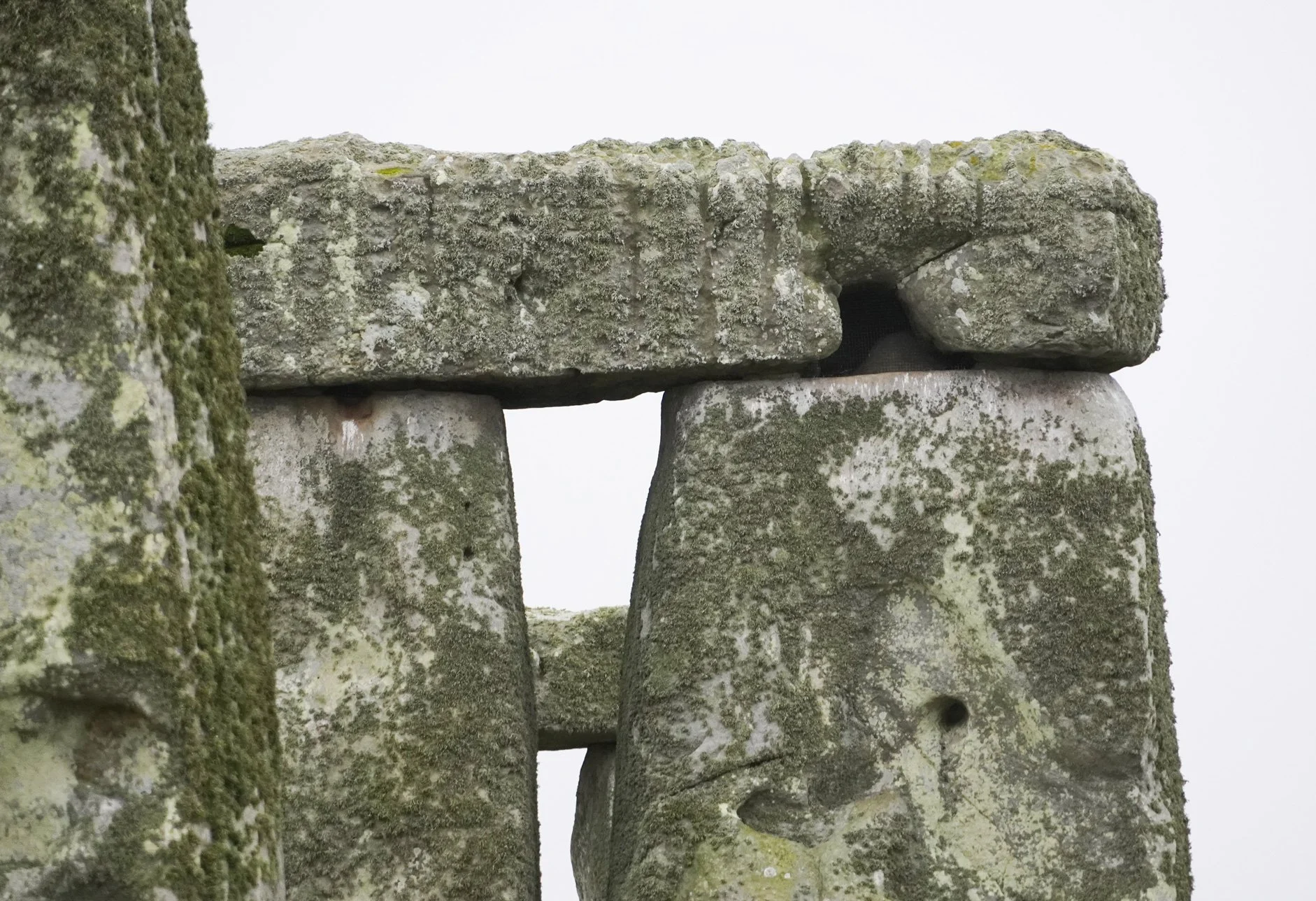
Built in stages across roughly 1,500 years, the circle was raised on a chalk ridge above the River Avon, at the centre of a ceremonial landscape that includes the Cursus, Woodhenge, and several hundred burial mounds. Its architecture is unusually sophisticated for its period. The lintels are curved to follow the arc of the circle, locked with mortice-and-tenon joints borrowed from carpentry, and set level despite a sloping ground surface. Visitors booking Stonehenge Tickets tours today walk a landscape that is legally protected as part of a UNESCO World Heritage Site, inscribed alongside Avebury in 1986.

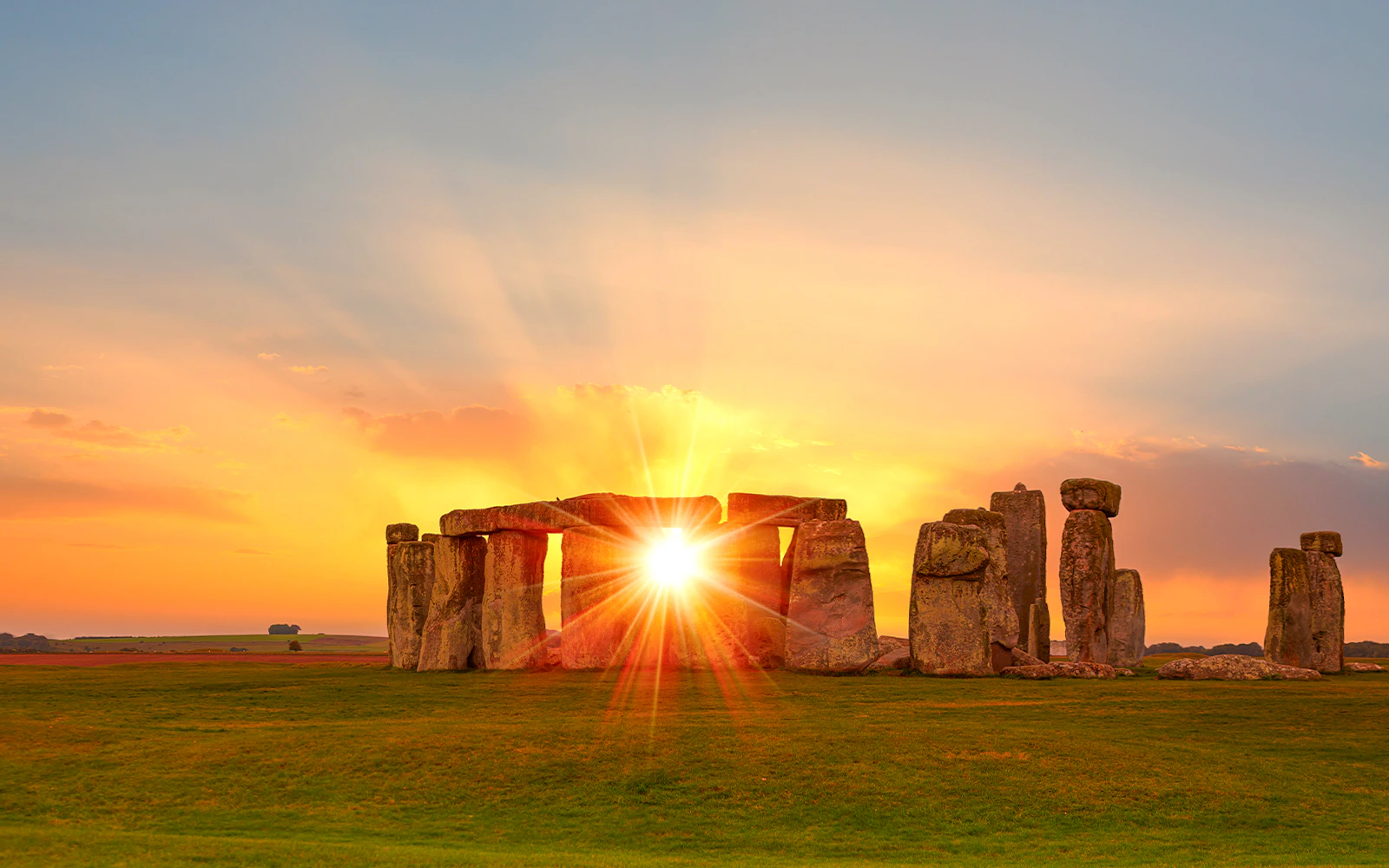
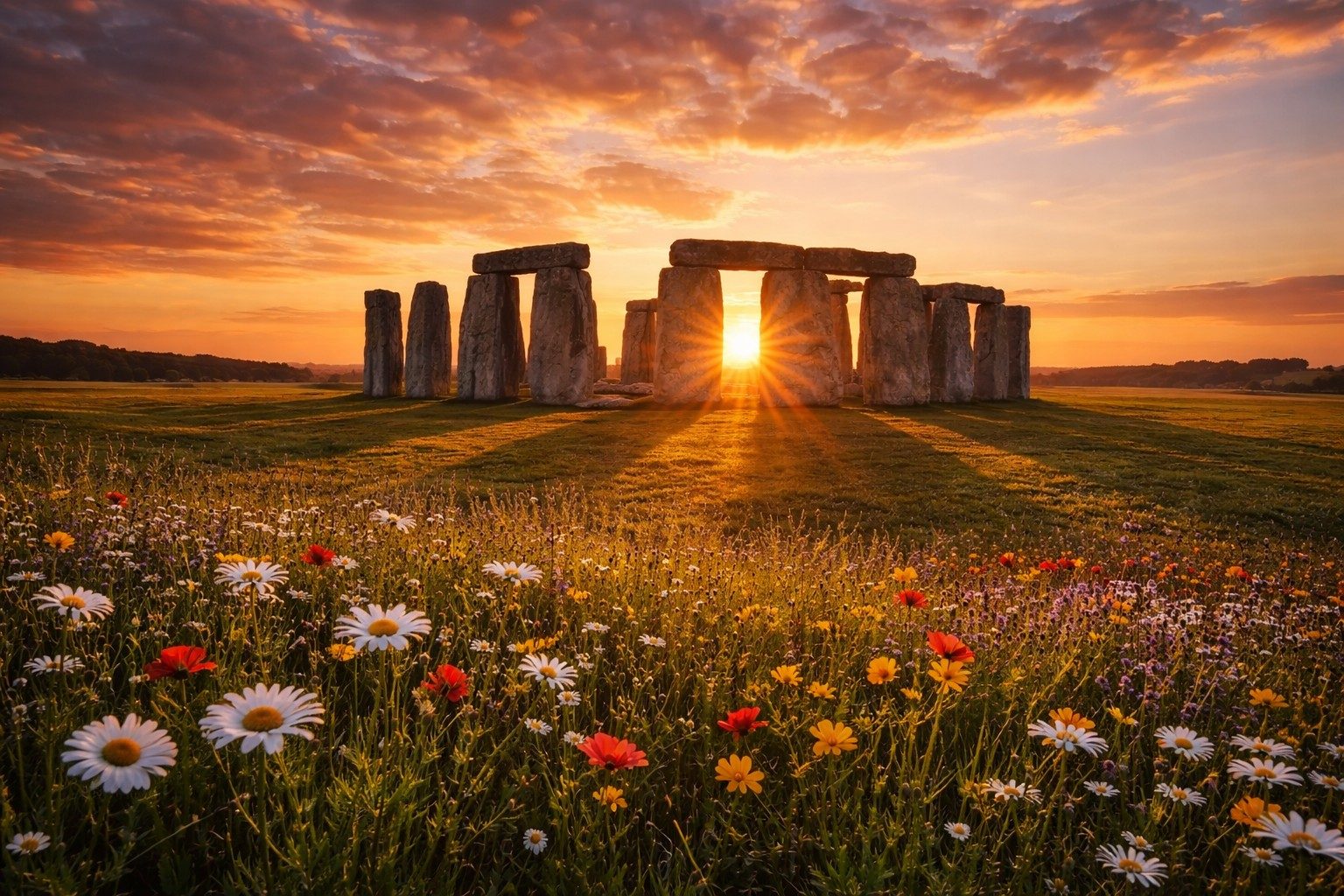
What gives the monument its continuing force is alignment. The principal axis points towards sunrise on the summer solstice in one direction and sunset on the winter solstice in the other — an orientation confirmed by excavation of the Heel Stone and the Avenue leading north-east from the entrance. Modern archaeology, particularly the Stonehenge Riverside Project, has framed the site less as an isolated temple than as one half of a paired landscape: stone for the dead, timber for the living.

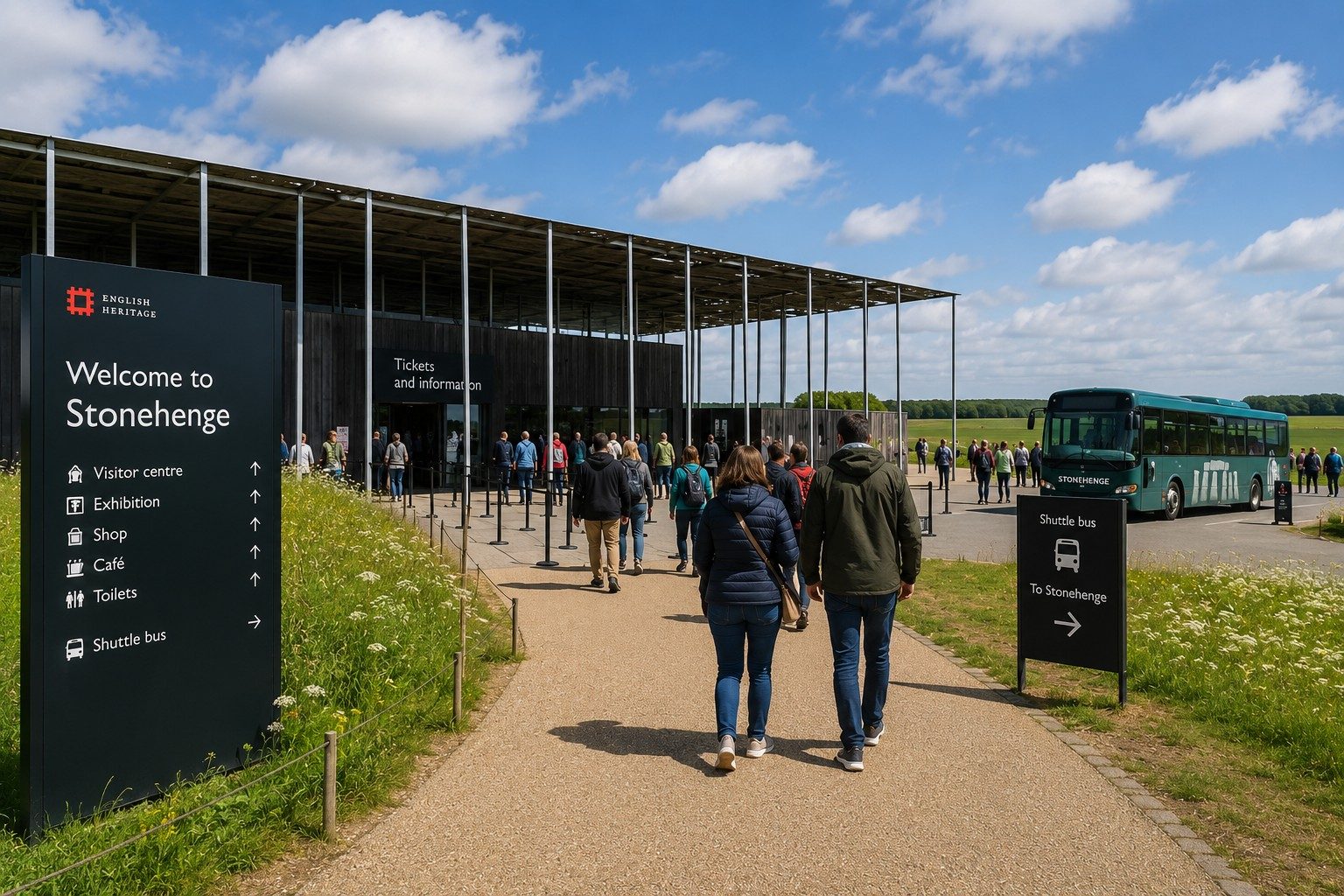
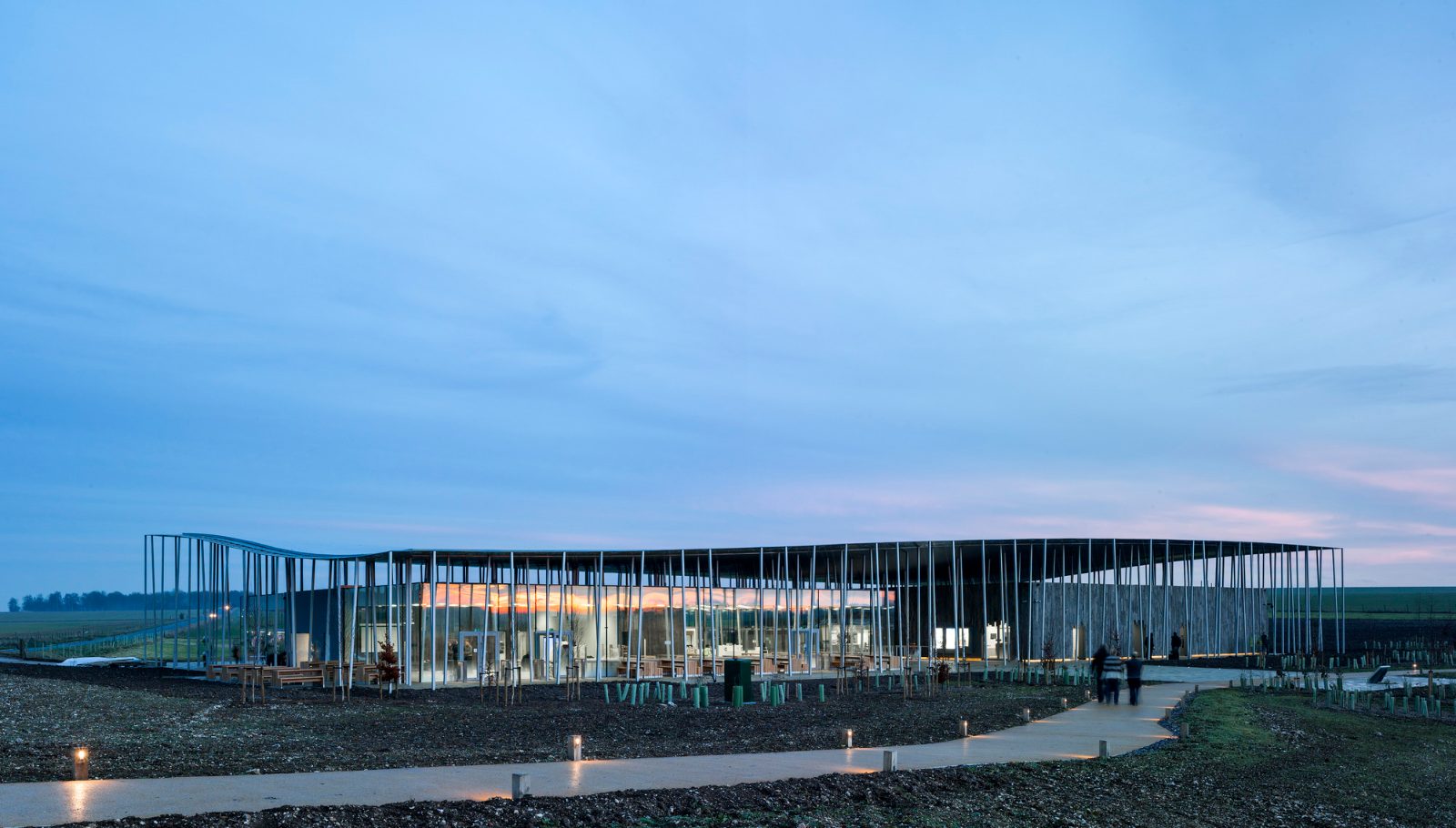
English Heritage manages the monument from a visitor centre 2.4 kilometres from the stones, opened after the closure of the old A344 returned the Avenue to open grassland. The centre holds around 250 archaeological objects, including the reconstructed face of a man buried nearby some 5,500 years ago, and a permanent gallery on the surrounding chalkland. Neolithic houses stand outside, rebuilt from evidence found at Durrington Walls. A skip-the-line Stonehenge visit begins here rather than at the circle itself, which is why the address on any booking reads Stonehenge, Amesbury, Salisbury SP4 7DE, United Kingdom.

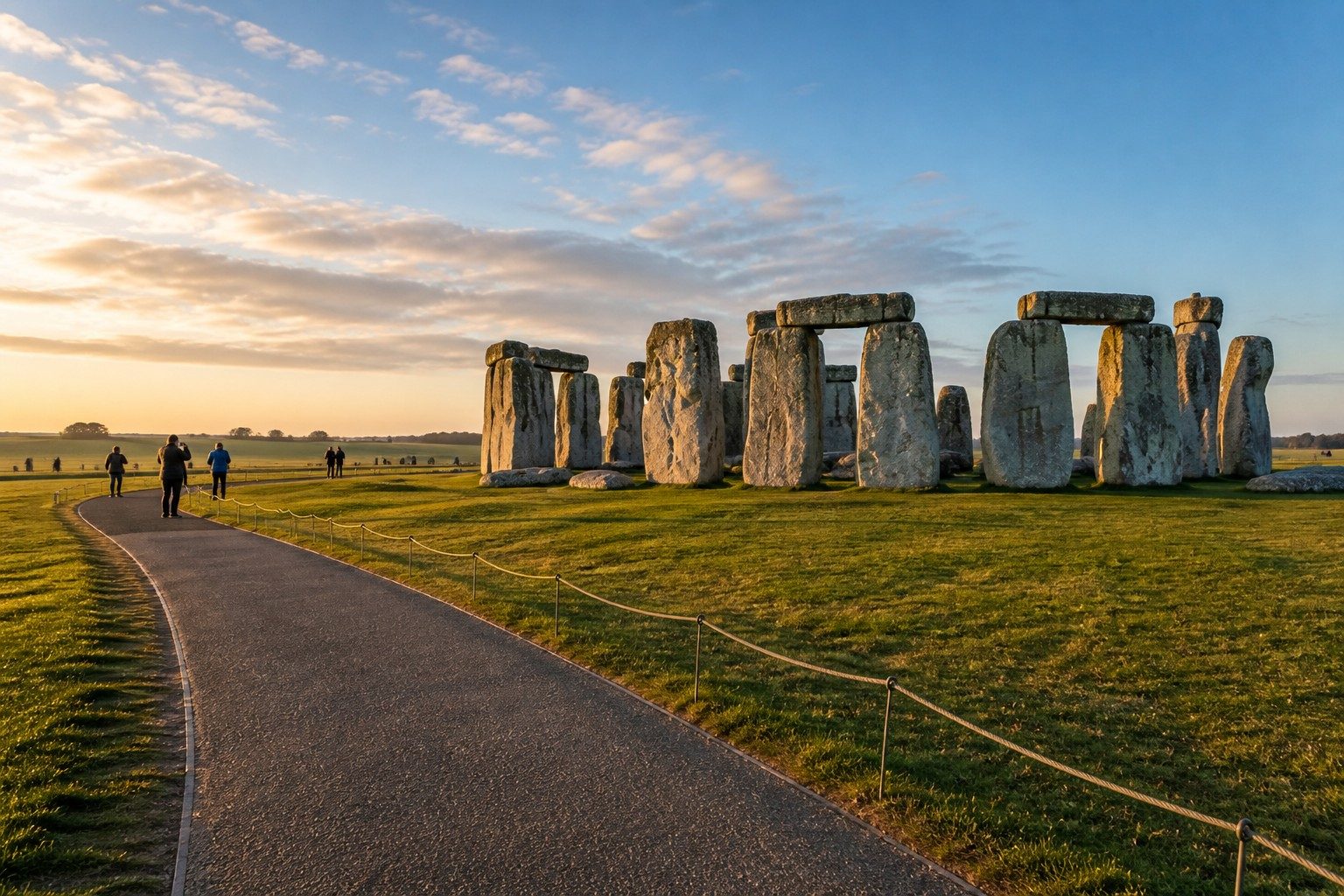
The stones themselves are no longer touchable on standard admission. Roped access has been in place since 1977, when erosion of the turf became critical. That restraint is now part of the encounter: the circle is read at a distance, framed by open plain, weather, and the low light that Salisbury Plain produces so reliably. Among Wiltshire landmarks it remains the most photographed and the least explained. Stonehenge Tickets tickets are timed for that reason — the site is small, the setting is vast, and the space between the two is the point.


The circle is read at a distance, framed by open plain, weather, and low light — the most photographed of Wiltshire landmarks, and the least explained.

Dress code

There is no formal dress code for Stonehenge Tickets holders, but the site sits exposed on Salisbury Plain, so layered clothing, a waterproof jacket and sturdy footwear are recommended year-round. Hi-vis jackets are discouraged on site as they can be confused with staff uniforms during managed events.

Bags & security

Visitors and their belongings may be subject to security checks on arrival, including a hand-held scan and bag search, so allow extra time before your slot. Only small bags are recommended around the stone circle and shuttle, since there is no cloakroom or left-luggage facility at the Visitor Centre.

Photography

Handheld cameras and phones are welcome throughout the Visitor Centre and stone circle viewing path. Tripods are normally permitted for personal photography if matting is used to protect the turf, and drones are not allowed anywhere on the monument or surrounding landscape without prior written authorisation.

Families & strollers

Children can explore the reconstructed Neolithic houses and audio-visual exhibition alongside the outdoor stone circle. A free family audio guide is included with standard admission.

Accessibility

The Visitor Centre and the shuttle to the stone circle are wheelchair accessible, with paved pathways connecting parking, the exhibition and the shuttle stop. Designated accessible parking bays sit close to the entrance, and wheelchairs are available to borrow on site.

Food & drink

The on-site café serves grab-and-go hot and cold food, including pasties, sandwiches and vegetarian options, plus ice cream from a local producer. Eating, drinking and smoking are not permitted inside the stone circle, the Monument Field, or on the shuttle bus itself.

Not allowed

× Glass bottles and containers × Large bags and backpacks × Naked flames, candles or incense × Drones and remote-controlled aircraft × Bladed or sharply pointed items × Alcohol for consumption on site × Camping equipment, tents or sleeping bags × Fireworks and pyrotechnics × Illegal drugs × Amplified music or speakers × Large umbrellas × BBQs or portable stoves

What to bring

✓ Waterproof jacket ✓ Sturdy walking shoes ✓ Sunhat and sunscreen ✓ Small bag or daypack ✓ Reusable water bottle ✓ Printed or digital ticket confirmation ✓ Camera or phone ✓ Layered clothing

Opening hours

Mon 09:30 – 18:00

Quiet mornings before coach groups arrive

Tue 09:30 – 18:00
Wed 09:30 – 18:00

Midweek, lightest footfall of the week

Thu 09:30 – 18:00
Fri 09:30 – 18:00

Slight uptick as weekend arrivals begin

Sat 09:30 – 18:00

Busiest day, especially midday

Sun 09:30 – 18:00

Coach tours peak late morning

How to get there

Closures & exceptions

  • ·Dec 25 — Christmas Day
  • ·Jun 20-21 — Summer Solstice access changes

At a glance

Hours

Daily 09:30–18:00, last entry 2 hours before close

Opening hours

09:30 – 18:00

Getting there

City-center access via metro and bus

Accessibility

Most experiences are wheelchair-friendly — check individual tours

What to bring

Comfortable shoes, water, phone for mobile voucher

Getting there

Public transport · About 2h total · Train fares vary; tour bus adds a separate fare

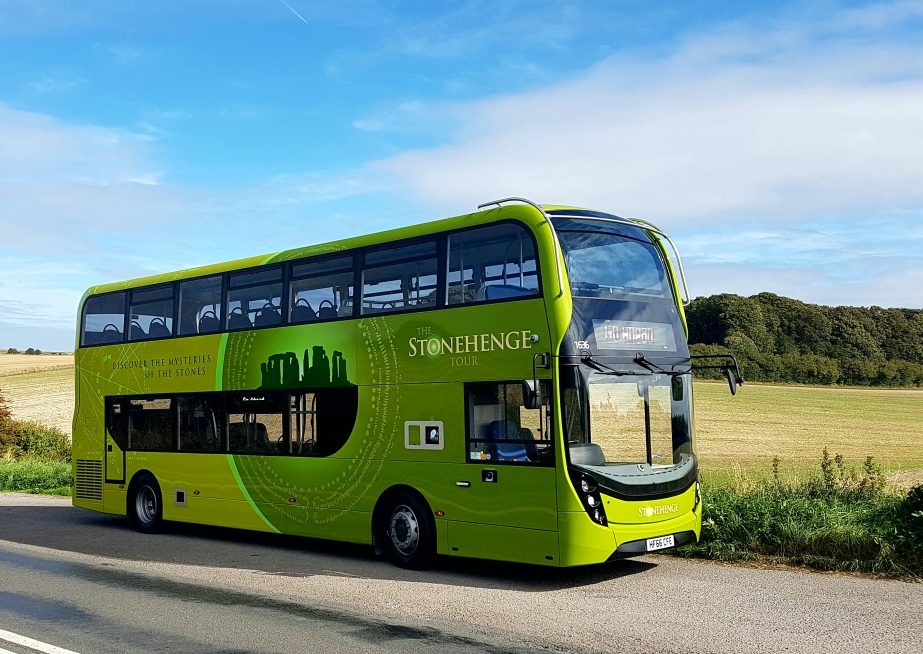
Take a direct train from London Waterloo to Salisbury, journey time around 90 minutes, then connect onto the Stonehenge Tour Bus to the Visitor Centre.

Car · About 2h from London · Parking charge applies for non-ticket holders, included for booked visitors

Follow the A303 and A360 with brown tourist signs toward the Visitor Centre car park at SP4 7DE; from London the drive takes roughly 2 hours via the M3 and A303.

Taxi · About 20-25 minutes · Metered fare, typically higher than the bus

Taxis run from Salisbury railway station directly to the Visitor Centre, useful outside Tour Bus operating hours.

Bike · About 45-60 minutes · Free, bring your own bike

Cyclists can reach the Visitor Centre via NCN Route 45 and local lanes from Salisbury, mostly on quiet rural roads.

Cancellation policy

Standard admission booked through English Heritage can be cancelled or rescheduled free of charge up until the day before the visit date. The GBP 27.20 adult standard admission is refunded in full when cancelled within this window; no-shows and late cancellations are generally non-refundable.

Plan your time

Planning Your Stonehenge Tickets Visit: Duration and Crowd Timing

Recommended time

2-3 hours

Most Stonehenge Tickets visits run 2-3 hours, covering the shuttle out to the stone circle, a full loop of the viewing path, and a stop in the visitor centre exhibition. Add 30-60 minutes for the on-site galleries or a slower pace; trim toward two hours if you're only doing the circle walk. Booking the 09:30-11:00 first-entry window, right at opening within the 09:30-18:00 daily hours, means shorter queues for the shuttle and open space on the path before coach parties from London arrive. Crowds build steadily from mid-morning and stay dense into early afternoon, so an early start is the simplest way to avoid a packed viewing path.

Crowd levels through the day

First entry (09:30-10:30) Light
Late morning (10:30-12:00) Building
Midday (12:00-14:00) Heaviest
Early afternoon (14:00-15:30) Busy
Late afternoon (15:30-17:00) Thinning
Final hour (17:00-18:00) Quiet
Plan ahead

Best time to visit Stonehenge

Weather · crowds · average price — dots go green to amber to red as each metric rises.

Spring

March to May brings mild temperatures around 8-15°C and thinner crowds than summer. Wildflowers appear across Salisbury Plain, making the surrounding landscape especially scenic for walking routes.

Summer

June to August is the busiest season, with temperatures reaching 18-23°C and long daylight hours. The Summer Solstice around 20-21 June draws large crowds under special managed open access.

Autumn

September to November offers cooler weather, around 7-14°C, and noticeably shorter queues once the school-holiday rush ends in early September. The Autumn Equinox in late September is a quieter alternative to the solstice crowds.

Winter

December to February sees temperatures near 2-7°C with occasional frost or fog over the plain. The Winter Solstice around 21-22 December draws visitors for the sunset alignment, while regular winter days are the calmest time to visit overall.

Insider tips

Helpful tips for visiting Stonehenge

Book online in advance

Stonehenge Tickets sell out on peak summer weekends, so reserve a timed slot through the official site rather than risk turning up unannounced.

Pack for wind and rain

Salisbury Plain is exposed and weather changes quickly, so bring a waterproof layer even on a forecast-clear day.

Use the free audio guide

Download the multi-language audio guide app before travelling in case signal is weak once you reach the stone circle.

Combine with Old Sarum or Salisbury

Both sites sit within a short drive and pair naturally with a half-day Stonehenge visit for a fuller Wiltshire itinerary.

Check for solstice date changes

Around 20-21 June and 21-22 December, standard admission rules are suspended for managed open access, so confirm hours before travelling on those dates.

Bring cash-free payment

The café, shop and any on-site purchases are typically card-only, so a physical wallet of cash is rarely needed.

Watch for seasonal exhibition changes

The Visitor Centre periodically refreshes exhibition displays, so check the official site for any temporary gallery closures before your visit.

Where to meet

Stonehenge meeting points

Stonehenge Visitor Centre

Stonehenge Visitor Centre

Stonehenge, Amesbury, Salisbury SP4 7DE, United Kingdom

Main entrance, ticket check and shuttle departure point

Get directions
Stone Circle viewing path

Stone Circle viewing path

Stonehenge Monument Field, Salisbury Plain

Shuttle drop-off and start of the roped walking route around the stones

Get directions
The story

The History Behind Stonehenge Tickets: How the Monument Was Built

The monument began as earth, not stone. Around 3000 BC, builders on Salisbury Plain cut a circular ditch with antler picks and raised a bank inside it. Within that enclosure they dug 56 pits, recorded in the seventeenth century by John Aubrey and named the Aubrey Holes after him. Cremated human bone was placed in several. For its first five centuries the site was a burial ground, and visitors who arrive today through Stonehenge Tickets are standing on one of the largest late Neolithic cemeteries known in Britain. The stones came later. Around 2500 BC the sarsens arrived: vast blocks of silcrete hauled roughly 25 kilometres from the Marlborough Downs, shaped with stone mauls, and jointed with mortice-and-tenon and tongue-and-groove carpentry borrowed from timber building. Thirty formed the outer circle with its continuous lintel ring. Five trilithons were set in a horseshoe within. The smaller bluestones came from the Preseli Hills in Pembrokeshire, some 250 kilometres west; geologists have since matched several to the outcrops of Carn Goedog and Craig Rhos-y-felin. Whether glaciers or people moved them remains disputed, though excavation of Neolithic quarries at both outcrops has strengthened the human argument. Guided Stonehenge Tickets tours generally set out this evidence without settling it. Rearrangement continued into the Bronze Age. The bluestones were shifted more than once, ending in an inner circle and horseshoe by about 2200 BC. The Avenue, a processional earthwork running toward the River Avon, was extended in the same period. Round barrows multiplied across the surrounding downland. Purpose remains unresolved: solstice alignment along the Avenue is beyond doubt, but whether the site served as temple, calendar, healing place or ancestral monument is argued still. Later centuries brought neglect, stone-breaking and, in 1901 and the 1950s and 60s, restoration work that re-erected leaning uprights. Cecil Chubb bought the site at auction in 1915 and gave it to the nation three years later. A Stonehenge Tickets tour of the Wiltshire landmarks today includes that long afterlife, and Stonehenge Tickets tickets cover the visitor centre exhibition where the Neolithic skeletal evidence is displayed.
c.3000 BC

A circular ditch, bank and the 56 Aubrey Holes were dug, and cremated remains buried within the enclosure.

c.2500 BC

Sarsen blocks from the Marlborough Downs were shaped and raised as the outer circle and five trilithons.

c.2500 BC

Bluestones were brought from the Preseli Hills of Pembrokeshire and set within the sarsen settings.

c.2200 BC

The bluestones were rearranged into an inner circle and horseshoe, and the Avenue extended toward the River Avon.

1666

John Aubrey surveyed the site and recorded the pits later named the Aubrey Holes after him.

1901

The first modern restoration straightened and set in concrete a leaning sarsen upright.

1915

Cecil Chubb bought the monument at auction, presenting it to the nation in 1918.

1986

Stonehenge and Avebury were inscribed together as a UNESCO World Heritage Site.

Photo spots

Best Photo Spots to Use With Your Stonehenge Tickets

The Avenue Footbridge Viewpoint

The Avenue Footbridge Viewpoint

Best light · Early morning, soft light

Stand at the viewing point beside the footbridge to frame the Heel Stone against the stone circle entrance, echoing the ancient processional line of the Avenue. This is the classic wide shot most visitors associate with Stonehenge Tickets, since it captures the monument's most complete surviving approach. Arrive within the 09:30-11:00 window for softer light and thinner crowds along the path.

North-East Approach Path

North-East Approach Path

Best light · Overcast mornings

From this path you get a full side-on view of the trilithons, ideal for wide-angle shots that show depth and symmetry across the circle. The hard footpath here is the closest public access point, so no permit or special entry is needed beyond standard admission. Overcast mornings mute glare on the sarsens and keep detail visible in the stone texture.

Western Perimeter Path

Western Perimeter Path

Best light · Golden hour, late afternoon

Walking the western edge of the public path catches golden-hour side light that rakes across the sarsens, deepening shadows and emphasizing their scale and rough texture. This stretch is quieter than the Avenue side and rewards a slow walk with a long lens. Late afternoon works well outside the recommended arrival window if a second lap is possible.

Heel Stone Close Framing

Heel Stone Close Framing

Best light · Before 10:00

Standing near the Heel Stone itself lets you frame the stone circle behind it, adding foreground interest and a visual nod to the solstice alignment. The stone sits at the top of the Avenue just off the main path, easily reached on the walking loop. Keep to the roped path, as visitors cannot touch or approach beyond the marked boundary.

South Barrow Viewpoint

Heading toward the barrow mounds south of the circle gives a slightly elevated angle that places the stones within the wider ceremonial landscape rather than isolating them. It suits photographers wanting context shots with burial mounds visible in the same frame. Fewer visitors linger here, making it useful for a less crowded composition.

Gallery

Moments from Stonehenge

With kids

Visiting With Kids: Family Logistics for Stonehenge Tickets

Visiting Stonehenge with children is straightforward: the site is flat, step-free, and built around a free shuttle, so the main decision is whether to ride or walk the roughly 1-mile path to the stones. Families booking Stonehenge Tickets can move at a toddler's pace without missing the exhibition or the circuit around the monument.

Strollers

Prams are welcome and the paths from the visitor centre are tarmac and pram-friendly, though the outer loop has some grass sections that get uneven after rain. Only two strollers fit per shuttle bus, so unfold-and-fold quickly or expect a short wait at busy times.

Best ages

Toddlers and school-age kids do well since there's no climbing, steps, or long queuing indoors. The circuit is a flat walking loop, so even short legs manage it once you're at the stones.

Facilities

Baby-changing and accessible toilets are in the visitor centre, but there are none at the stones themselves, so change nappies and use the loo before boarding the shuttle out.

Pacing

Give the exhibition 20-30 minutes before heading to the stones so kids get context first, then use the shuttle out and the mile-long walk back if energy allows, or vice versa. This keeps the outdoor circuit from feeling rushed on tired legs.

Shuttle vs walk

The shuttle takes about 10 minutes each way and suits nap schedules or reluctant walkers, while the 1-mile path along the ancient Avenue is a good stretch-the-legs option on a dry day for a slower Stonehenge Tickets tour.

Food with kids

There's no café or shop at the stones, so eat and stock up snacks at the visitor centre café beforehand, since the outdoor site has nowhere to buy food.

Customer Reviews

What travelers say about Stonehenge

Real experiences from real travelers

4.5
Based on 2,400 reviews
1 ★ 1150
2 ★ 840
3 ★ 1900
4 ★ 5600
5 ★ 21400
M
Marta R.
Spain · 2026-06-14

Warm evening on the plain

We booked Stonehenge Tickets for a late slot in June and the light at seven in the evening was worth the wait — the sarsens went orange and the wind dropped completely. The audio guide explained the bluestones being hauled from Wales, which I had no idea about. Wear something windproof even in summer, the plain is exposed.

K
Kenji T.
Japan · 2026-05-29

Bigger than photos suggest

Photographs flatten the scale of this place; standing on the path the lintels are far higher than I expected. Our Stonehenge Tickets tour guide pointed out the Heel Stone and the alignment of the Avenue toward the solstice sunrise. Chalk grass underfoot, skylarks overhead, very quiet once the coach groups moved on.

H
Hannah B.
Germany · 2026-04-11

Salisbury Plain in spring

Cold wind in April but bright, and the lichen on the stones looked almost green in that light. The shuttle from the visitor centre ran often enough that we never queued long. Reading about the mortise and tenon joinery beforehand made the whole thing land differently.

D
David O.
United States · 2026-03-22

Good visit, plan for wind

Genuinely impressive monument and the UNESCO landscape around it — the burial mounds on the ridgeline are easy to miss if you only look at the circle. The path keeps you a fair distance from the stones, which some in our group found frustrating. Still glad we came.

C
Camila F.
Brazil · 2026-07-02

Skip-the-line Stonehenge worked

We used a skip-the-line Stonehenge entry and walked straight through while a school group waited. The reconstructed Neolithic houses near the centre were a surprise highlight, especially the turf roofs and the smell of woodsmoke inside. Very hot on the plain that afternoon, bring water.

A
Aoife M.
Ireland · 2026-02-08

Grey sky, better for it

Overcast February morning and honestly the moody light suited the sarsens more than sunshine would. Very few people about. The exhibition at the visitor centre with the reconstructed face of a Neolithic man stuck with me more than I expected.

L
Lars P.
Norway · 2026-06-27

Solstice week atmosphere

Visited a few days after the summer solstice and the plain still had that charged feel. Stonehenge Tickets tickets were straightforward to show at the gate. Watching the shadows of the trilithons lengthen across the ditch and bank was the moment I remember.

P
Priya S.
India · 2026-01-19

Cold but clear

Frost on the grass and clear blue sky in January — the stones looked almost white in that flat winter light. The audio commentary covers the Aubrey Holes and the phases of building without being overwhelming. Gloves and a proper coat, the wind cuts across the downland.

T
Thomas L.
France · 2025-11-05

Worth the trip from London

Combined it with other Wiltshire landmarks and the countryside on the way is lovely in autumn. Our Stonehenge Tickets guide was good on what is actually known versus what is guesswork, which I appreciated. The lichen texture on the uprights up close is remarkable.

S
Sofia K.
Italy · 2025-08-17

Late summer light

Arrived toward the end of the day in August and the crowds had thinned considerably. Sheep grazing in the neighbouring field, the Avenue just visible in the turf. English Heritage staff on the path answered questions patiently rather than rushing anyone along.

FAQ

Stonehenge — frequently asked questions

Everything you need to know for your journey

Around the corner

More to see near Stonehenge

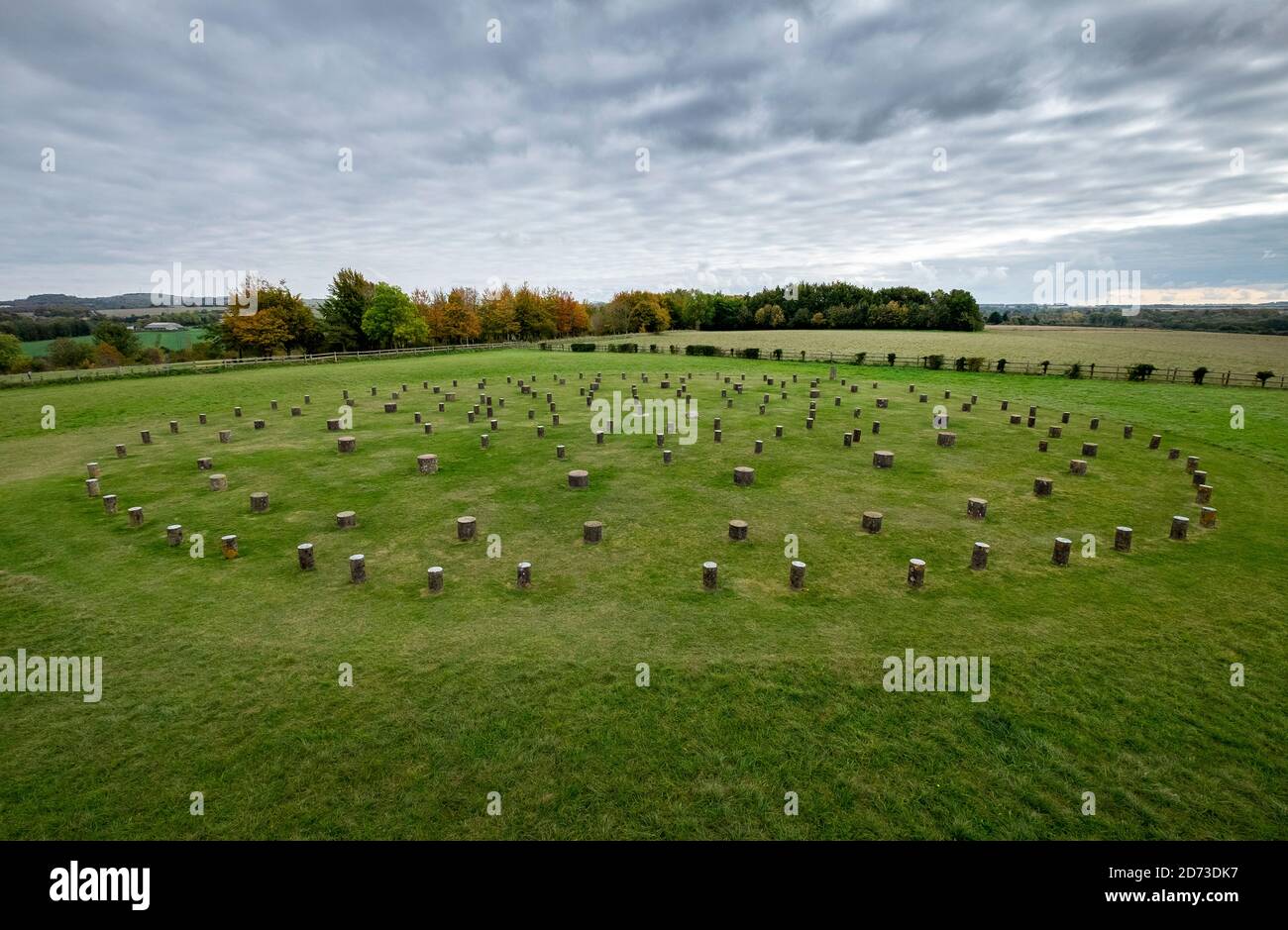
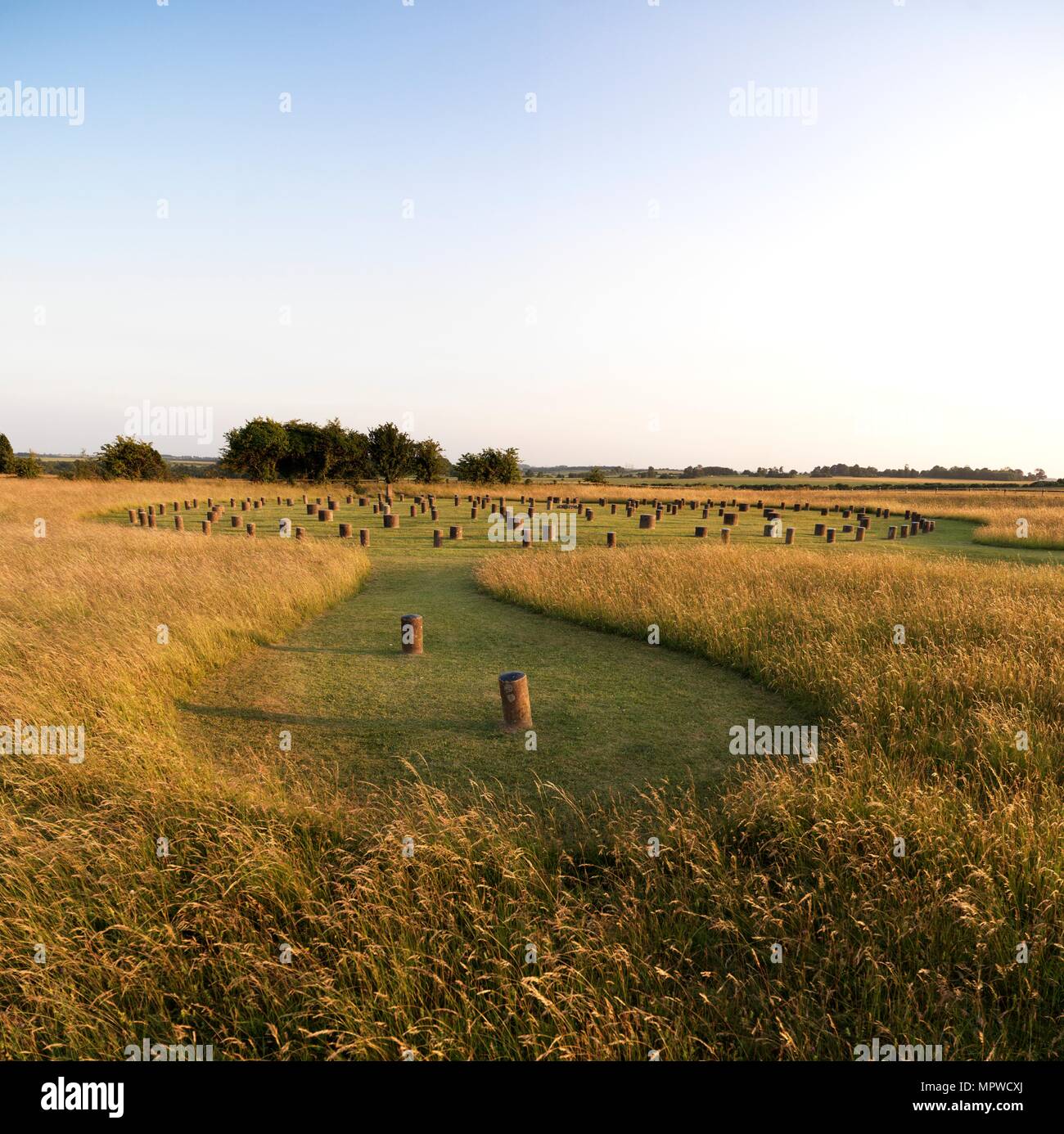
Woodhenge

Woodhenge

10-min drive

landmark

A Neolithic timber circle marked today by concrete posts, discovered through aerial photography in the 1920s. It sits close to the Durrington Walls settlement site.

Durrington Walls

Durrington Walls

10-min drive

landmark

One of Britain's largest known henge enclosures, believed to have housed the workforce that built Stonehenge. Excavations here have uncovered extensive Neolithic house remains.

Old Sarum

Old Sarum

15-min drive

landmark

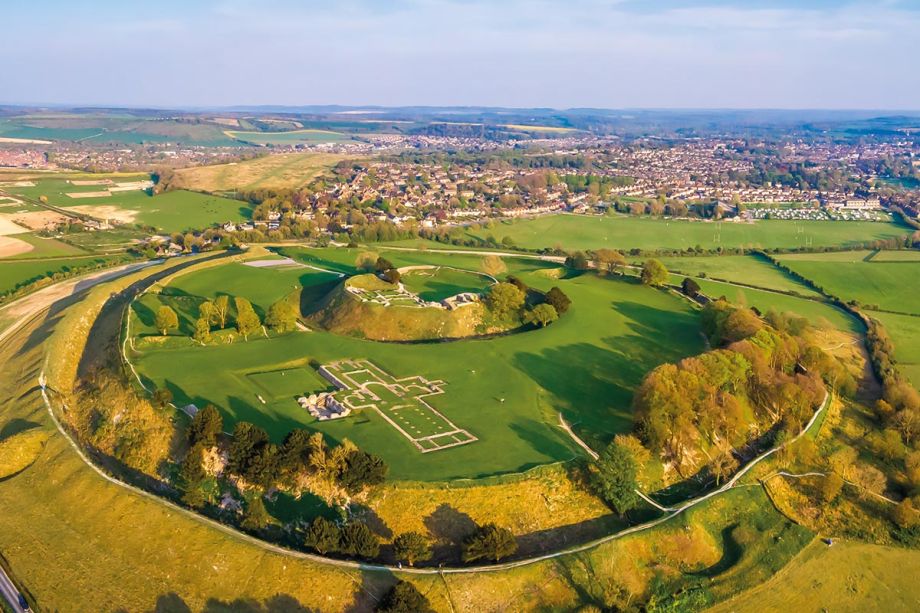
An Iron Age hillfort and the original site of Salisbury before the city moved to its current location in the 13th century. Visitors can walk the earthworks and ruined cathedral foundations.

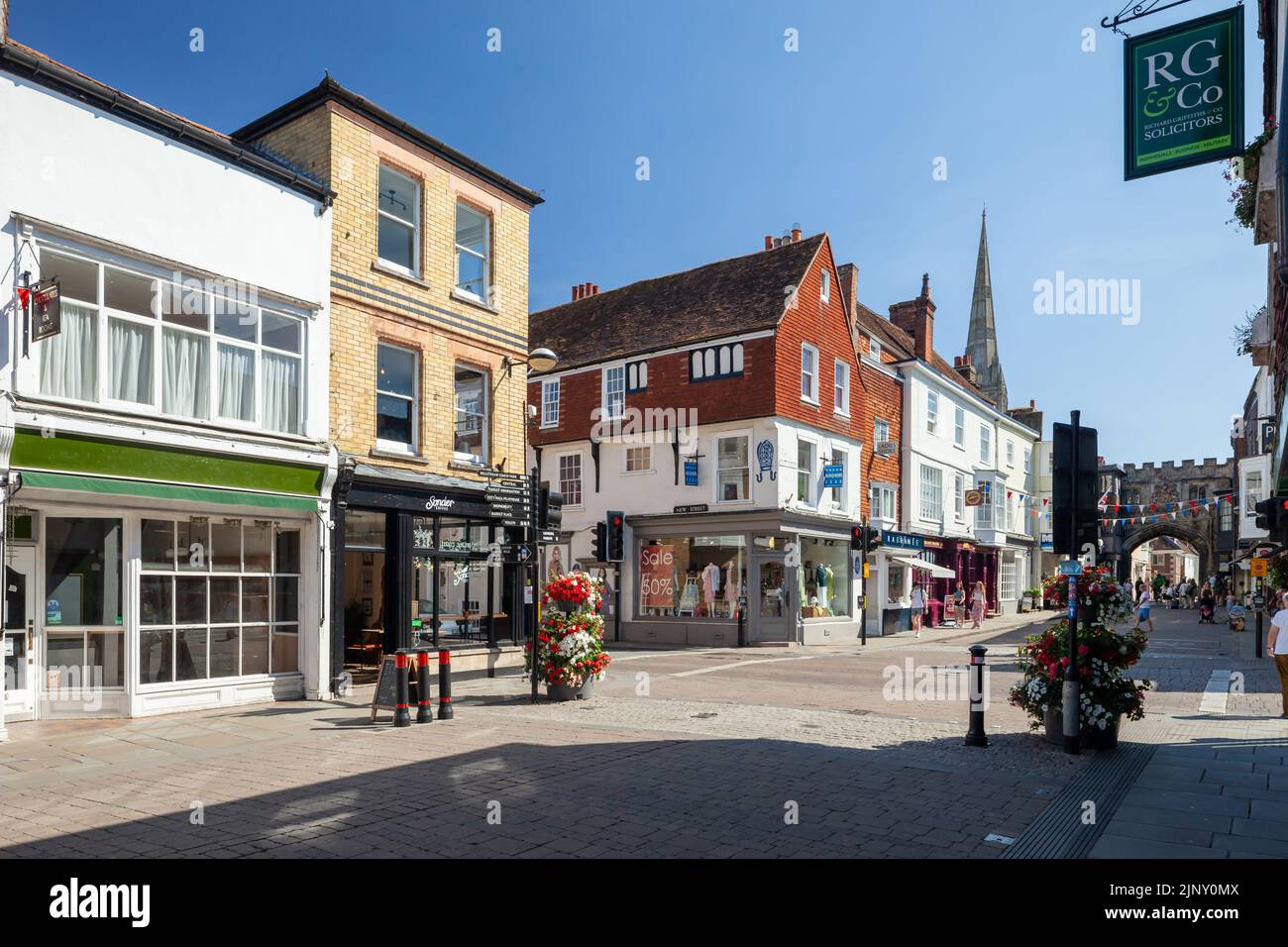
Salisbury Cathedral

Salisbury Cathedral

20-min drive

church

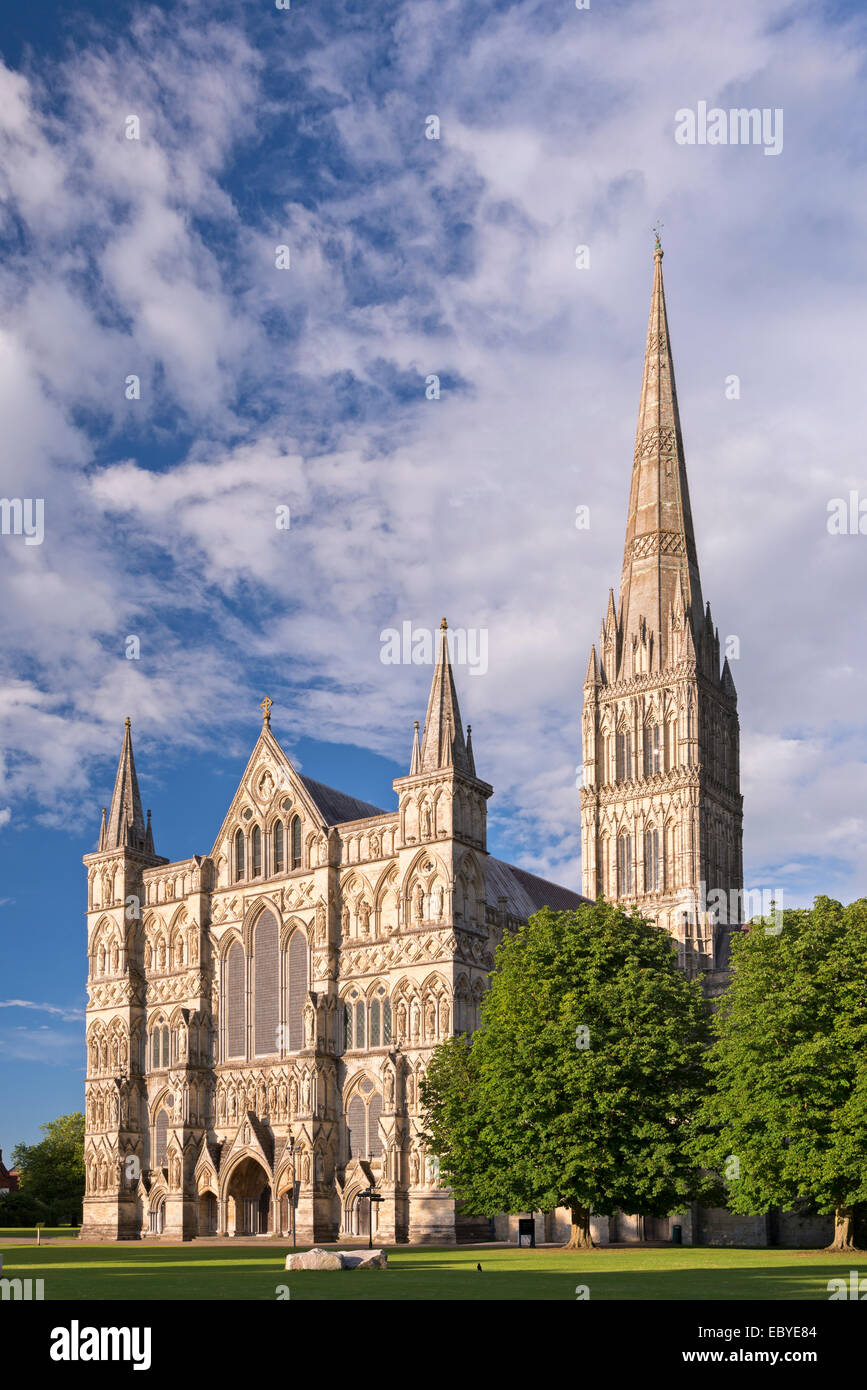
A 13th-century Gothic cathedral holding the tallest spire in the UK and one of four surviving original copies of the Magna Carta.

Stonehenge Avenue

Stonehenge Avenue

5-min walk

landmark

A prehistoric processional earthwork linking the monument to the River Avon, aligned with the solstice sunrise axis.

Where to stay

Where to stay near Stonehenge

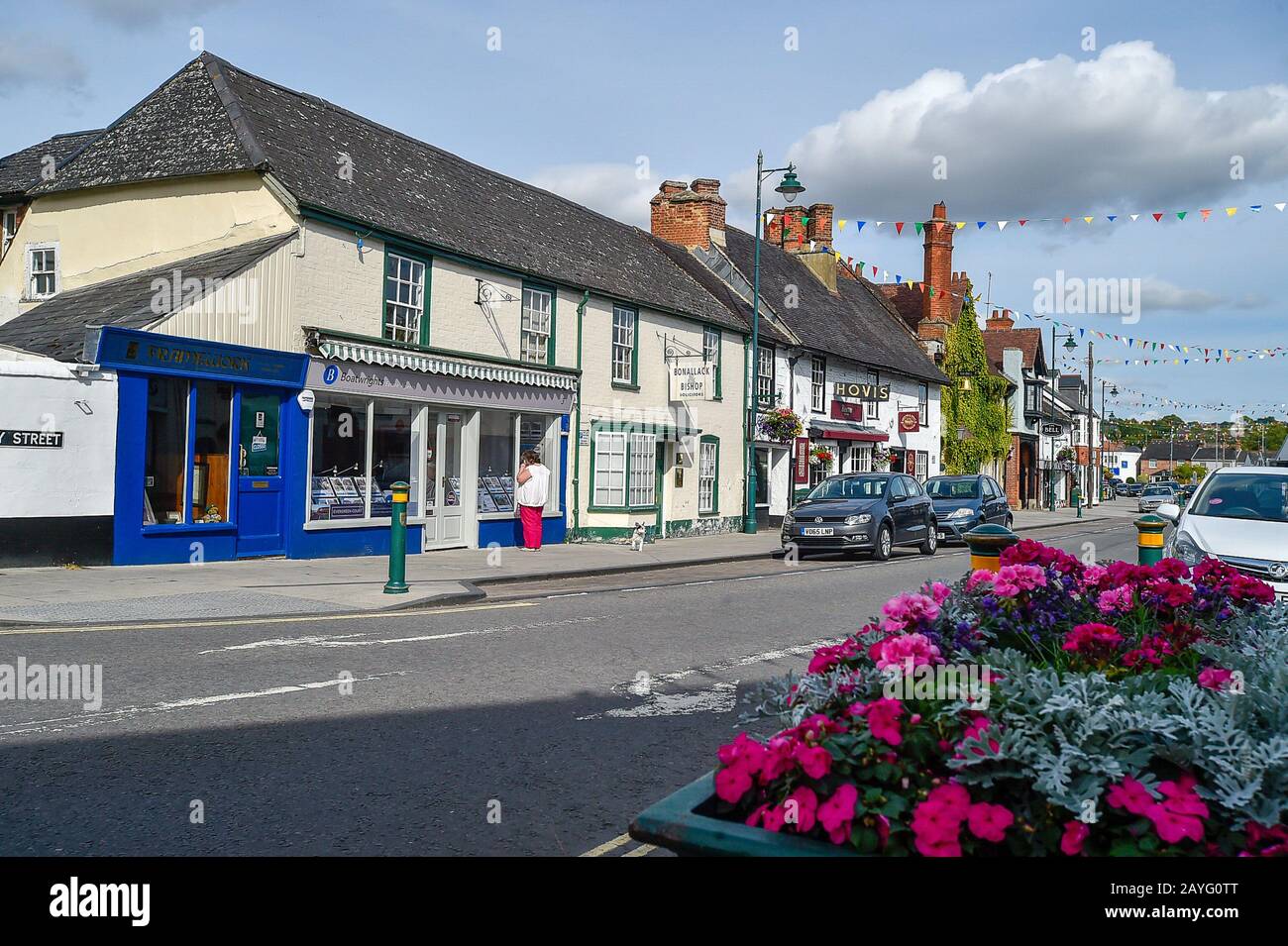
Amesbury

Amesbury

10-min drive

budget

A small market town with modest guesthouses and chain hotels, the closest overnight base to the monument.

Salisbury city centre

Salisbury city centre

20-min drive

district

A cathedral city with a wide range of boutique inns and mid-range hotels near the historic centre.

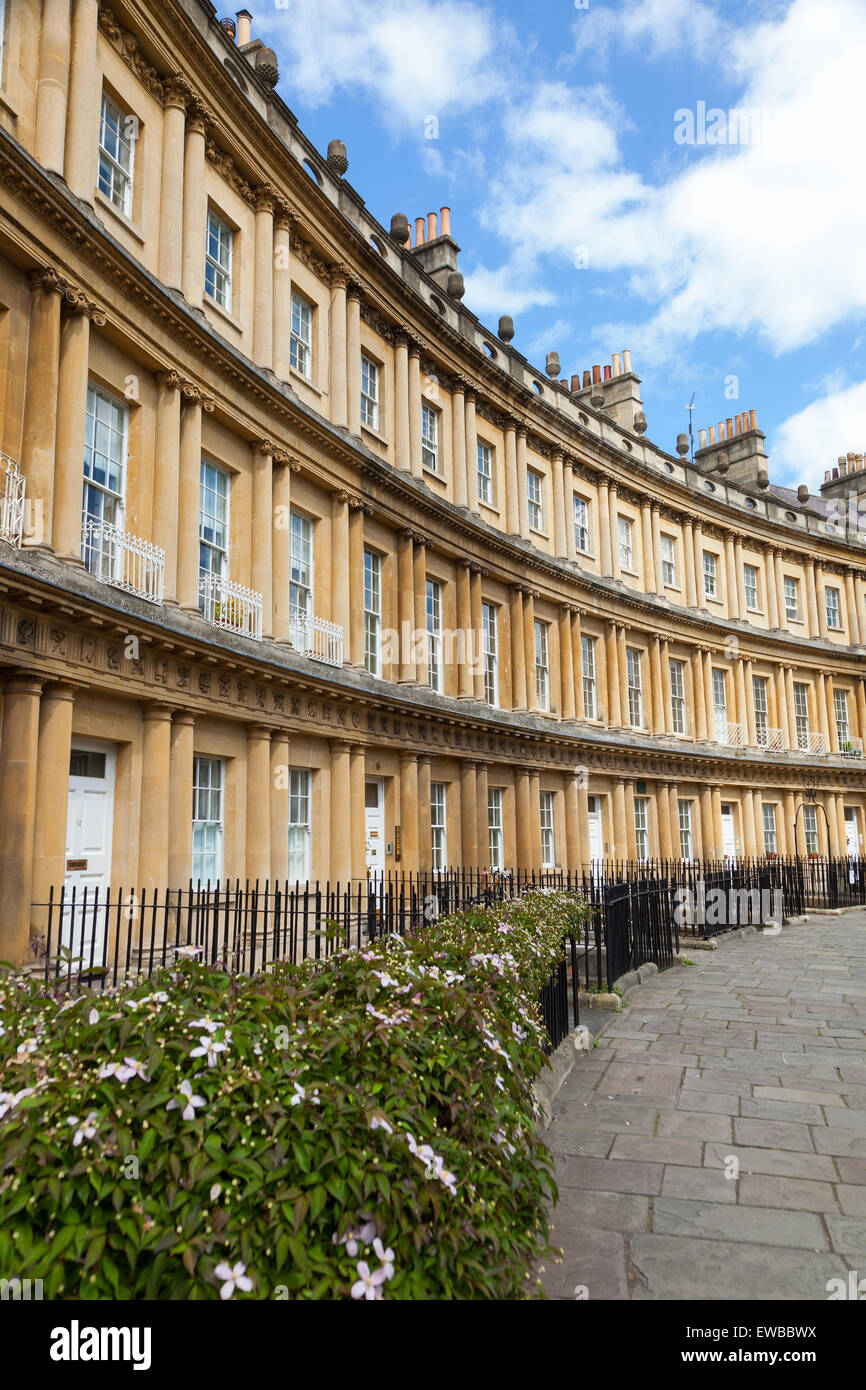
Bath

Bath

1h drive

mid-range

A Georgian spa city offering everything from budget guesthouses to luxury hotels, popular for combining with a Stonehenge day trip.

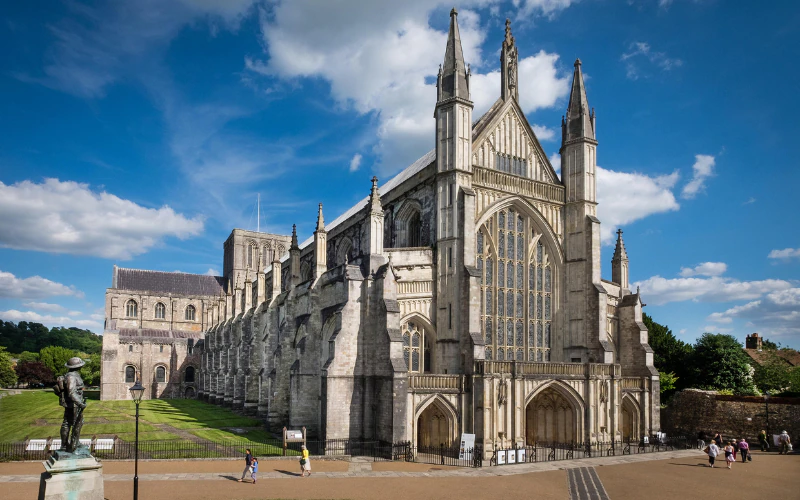
Winchester

Winchester

1h drive

boutique

A compact cathedral city with characterful boutique hotels, a convenient stop for those touring southern England.

Ready for Adventure?

Join thousands of happy travelers who have discovered this incredible experience

Book Your Experience Now